
T wo federal immigration agents have been placed on administrative leave and are facing a federal criminal investigation into whether they lied under oath about their actions during a January shooting in Minneapolis that wounded a Venezuelan man, senior officials confirmed.
The probes, led jointly by U.S. Immigration and Customs Enforcement (ICE) and the United States Department of Justice, follow a review of video evidence that federal investigators say materially contradicts sworn testimony provided by the officers about what occurred during the incident. The developments have triggered intense scrutiny from civil liberties advocates, sparked calls for greater accountability from immigration enforcement agencies, and underscored broader national debates over use of force and transparency by federal law enforcement.
Officials have not publicly identified the officers, and law enforcement sources caution that the investigations remain ongoing. However, top ICE leadership acknowledged that the probe could lead to criminal charges and employment consequences, including termination.
Shooting During January Immigration Operation
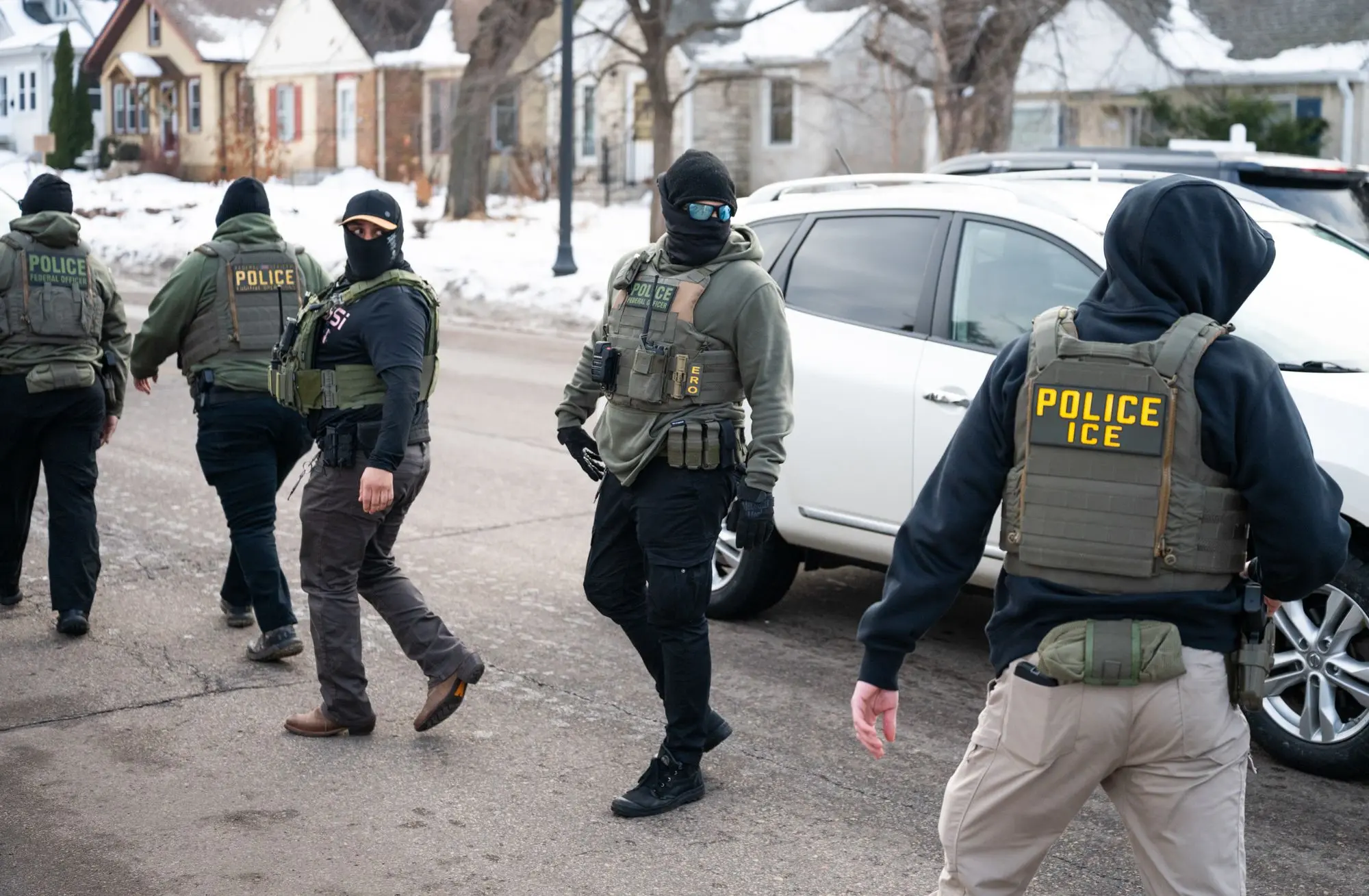
The shooting took place on January 14 in north Minneapolis during a federal immigration enforcement operation. ICE agents were conducting a targeted traffic stop when the operation culminated in an altercation and the use of deadly force against one of the men involved.
Initially, federal authorities alleged that the Venezuelan man, later identified as Julio Cesar Sosa‑Celis, had violently resisted arrest and assaulted an officer with objects including a snow shovel or broom handle — prompting the responding agent to fire a single shot that struck him in the leg. Charges were filed against him and another man, Alfredo Alejandro Aljorna, for felony assault on a federal officer.
That narrative was challenged days later when prosecutors and investigators reviewed additional evidence, including video footage and affidavits, that investigators say did not support the account given by the agents in their sworn testimony.
Charges Dropped as Evidence Contradicts Official Accounts
On February 11, federal prosecutors in the U.S. District Court for the District of Minnesota filed a motion to drop all felony assault charges with prejudice against Sosa‑Celis and Aljorna, stating that “newly discovered evidence” was “materially inconsistent with the allegations” presented in the original complaint and at preliminary hearings earlier in the case.
A dismissal with prejudice means that charges cannot be refiled on the same factual basis. In court filings, prosecutors cited discrepancies between the officers’ accounts and video evidence, including surveillance footage that contradicted key elements of the initial narrative about how the confrontation unfolded
Civil rights advocates and defense attorneys welcomed the decision to dismiss the charges, noting that citizens’ rights and due process protections are undermined when official accounts do not align with objective evidence. Sosa‑Celis’s attorney, Brian D. Clark, said the shooting — which wounded his client — occurred as he and others were retreating toward their home, not attacking an agent. Clark called for accountability for the officers involved.
Review of Video Evidence Reveals Inconsistencies
According to acting ICE Director Todd Lyons , a joint review by ICE and DOJ of available video footage revealed that sworn testimony submitted by the two officers “appears to have made untruthful statements” about how the encounter developed. Lyons emphasized that lying under oath is a “serious federal offense” and pledged cooperation with ongoing investigations.
Neither officer has been publicly named pending the completion of internal and criminal investigations, which could result in perjury charges or other criminal counts if authorities conclude that they knowingly provided false testimony under oath. Federal prosecutors are actively reviewing the matter, and a U.S. Attorney’s Office spokesperson said the case is being treated with a high priority given its implications for the integrity of federal law enforcement proceedings
The scope of evidence under review includes body camera footage, surveillance video from surrounding residences and businesses, eyewitness statements, and investigative affidavits prepared by FBI and other federal agents. Some footage reportedly shows moments leading up to and following the shooting that contradict officers’ descriptions of a violent confrontation.
Broader Concerns Over Immigration Enforcement Tactics
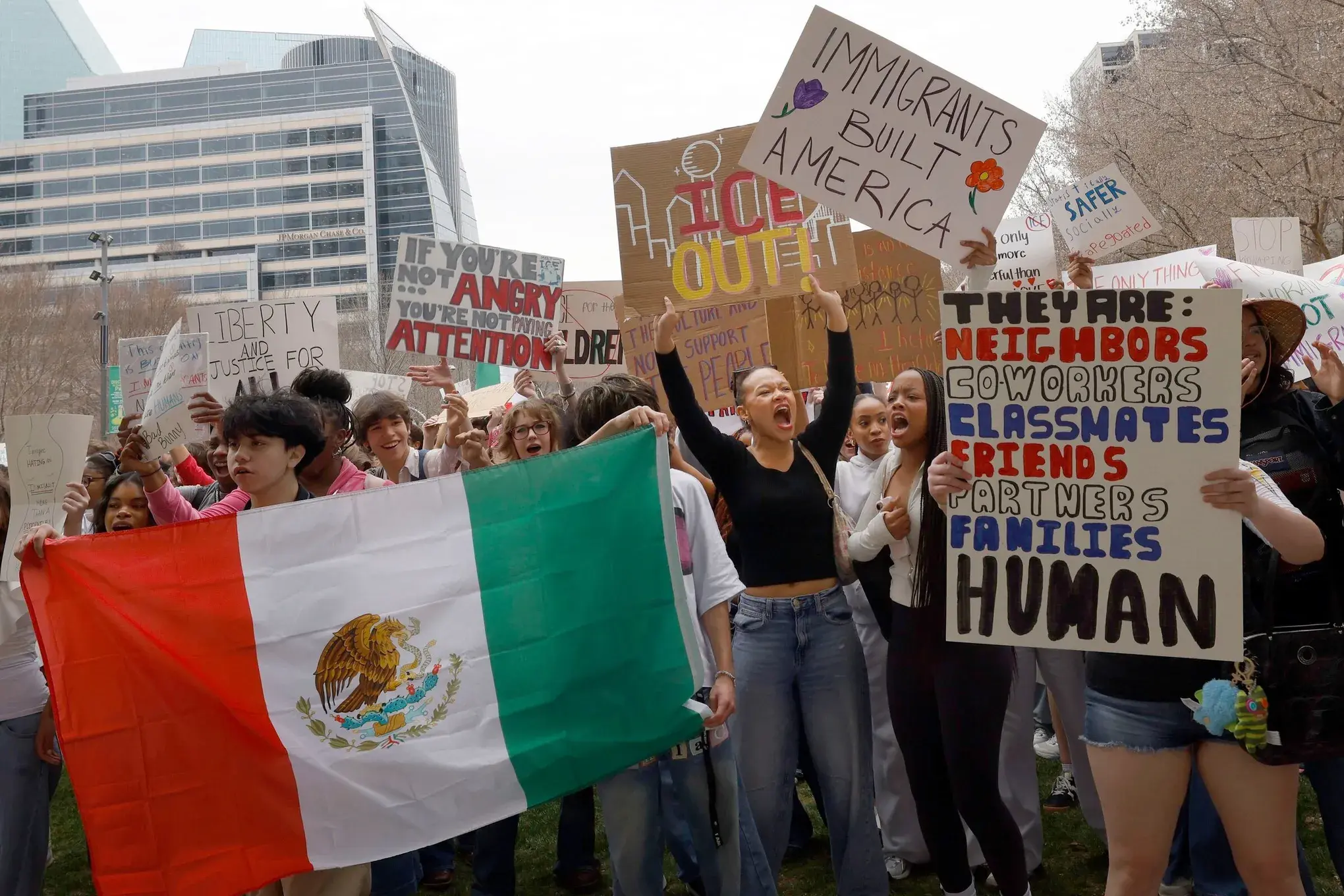
The incident and its developments come amid heightened national debate over immigration enforcement practices, especially in communities where federal agencies have deployed large numbers of enforcement officers. Earlier federal immigration efforts in Minneapolis had drawn public protests and criticism from civil liberties groups and local officials, particularly for tactics perceived as overly aggressive or lacking in transparency.
Critics argue that accountability mechanisms must be strengthened to ensure that federal agents — who are entrusted with significant authority — provide accurate and truthful testimony when their actions result in injury or death. Civil liberties organizations have called for greater independent oversight and clearer standards governing use of force by immigration agents.
Supporters of robust immigration enforcement have defended the need for federal presence in addressing undocumented immigration, but many also stressed that adherence to the rule of law and evidence‑based policing are essential to maintaining public trust and legitimacy. Congressional leaders from both parties have issued statements urging a full and transparent investigation into the matter.
Internal and Federal Investigations Underway
ICE has launched a separate internal investigation into the conduct of the two officers, while the DOJ’s criminal investigation is examining potential perjury and other possible violations of federal law. Perjury — knowingly making false statements under oath — is a felony offense that can carry significant prison terms if proven.
The U.S. Attorney’s Office for the District of Minnesota is leading the federal perjury probe, with assistance from ICE, DOJ, and FBI investigators. Officials say they will also review whether policy or training deficiencies contributed to issues in how the shooting was handled and subsequently described.
In addition to possible criminal charges, the officers could face administrative discipline, including termination, depending on the outcome of the internal investigation. Department of Homeland Security officials have stressed that integrity and accountability are fundamental to the agency’s mission and that any breach of trust by agents undermines the law enforcement mission.
Public and Legal Reactions
The case has prompted a range of reactions from advocates, legal experts, and community leaders. Civil rights organizations argue that the incident highlights systemic issues in federal enforcement and the need for robust oversight structures. Some activists contend that immigrant communities are especially vulnerable when enforcement agencies operate with too little transparency or accountability.
Defense attorneys have noted that Sosa‑Celis and Aljorna had no significant violent criminal records at the time of the incident, and that their prosecution was rooted in questionable testimony. They stressed that the dismissal — and the subsequent revelations about potential false statements by federal officers — underscores fundamental due process concerns.
Local officials in Minneapolis also weighed in, emphasizing the importance of community trust and the need for federal agencies to work closely with local law enforcement and residents in ways that respect constitutional rights. The incident occurred against a backdrop of rising tension over federal immigration operations in the Minneapolis‑St. Paul area, including demonstrations and public debate over federal enforcement priorities.
As federal and internal probes continue, questions remain about next steps in both the criminal and administrative arenas. The ongoing investigation by the U.S. Attorney’s Office will determine whether charges for perjury or other offenses should be brought against the officers, and if so, when such charges might be filed.
ICE leaders say they expect the internal review to be completed in the coming weeks, and that they will take appropriate action based on its findings. In Washington, lawmakers on both sides of the political aisle have called for updates on the case and assurances that lessons learned from the episode will inform future training, policy, and oversight.
The federal government has stressed its commitment to upholding constitutional protections, accountability, and ethical conduct, even as immigration enforcement remains a politically charged and complex policy area. Officials say the case will serve as an important test of the justice system’s ability to address allegations of false testimony by law enforcement and reinforce confidence in legal processes.