
BUDAPEST — A Controversial Energy Strategy Amid War and Sanctions
Hungary’s decision to keep buying large quantities of Russian oil has drawn sharp criticism from European allies, Ukrainian officials, and analysts who say the practice not only sustains Moscow’s war economy but also funnels money into corporate and political networks associated with Prime Minister Viktor Orbán. These dynamics have raised questions about Hungary’s role in undermining European Union efforts to reduce Russia’s energy revenues, even as alternatives are available.
Continued Dependence on Russian Oil Undercuts EU Sanctions Goals
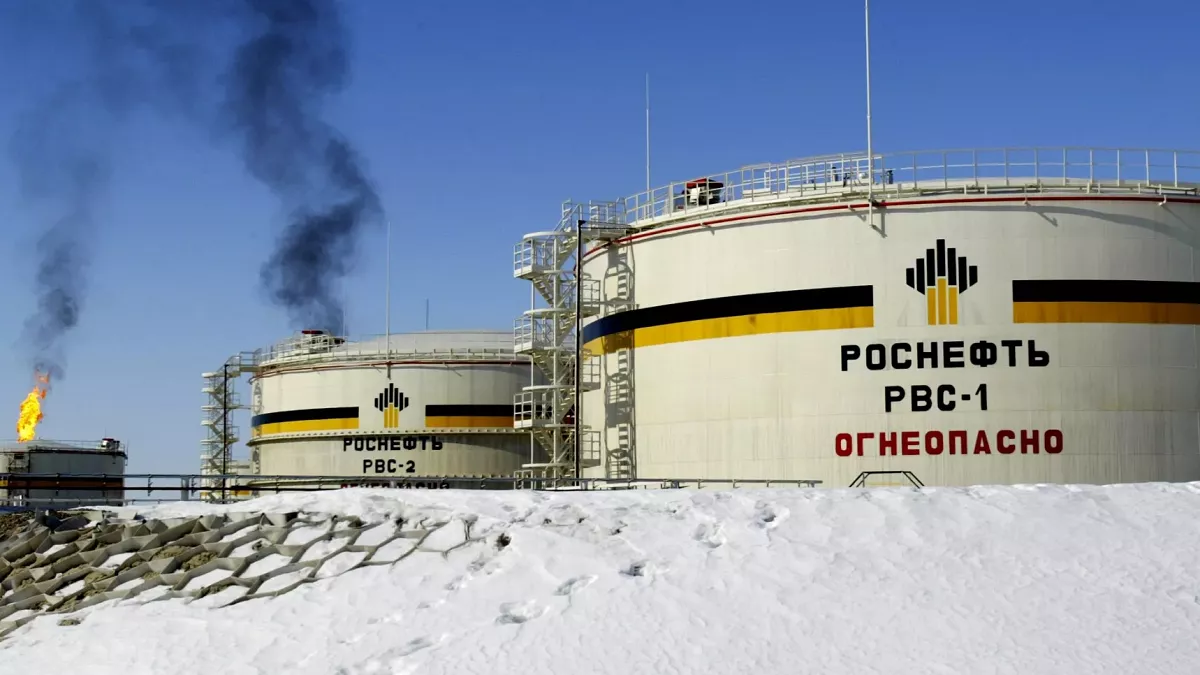
Under the EU’s sanctions framework following Russia’s 2022 invasion of Ukraine, most member states have sharply cut their reliance on oil and gas from Moscow. However, Hungary — along with Slovakia and, for a time, the Czech Republic — received an exemption allowing continued imports to avoid economic disruption. Despite this, Hungary has not only kept buying Russian oil but has increased its share dramatically, with Russian crude accounting for over 92% of its imports last year, up from 61% before the war.
Critics argue that Hungary’s moves have weakened the impact of EU sanctions at a time when Moscow still earns billions from fossil fuel sales that help fund its war effort in Ukraine. Financial tracking shows that Russia’s oil and gas revenues surged to levels that significantly support its military spending and federal budget.
Economics of Cheap Russian Crude — Who Really Benefits?
Financial analyses conducted by the Center for the Study of Democracy (CSD) , a European policy institute, reveal a stark disparity between the economic logic of buying discounted Russian crude and the real costs faced by Hungarian consumers. While Russian oil has typically traded at roughly 20% below global alternatives between 2024 and 2025, that discount has not translated into lower fuel prices in Hungary. Instead, average domestic fuel prices remained about 18% higher than in neighbouring Czechia, which stopped buying Russian oil.
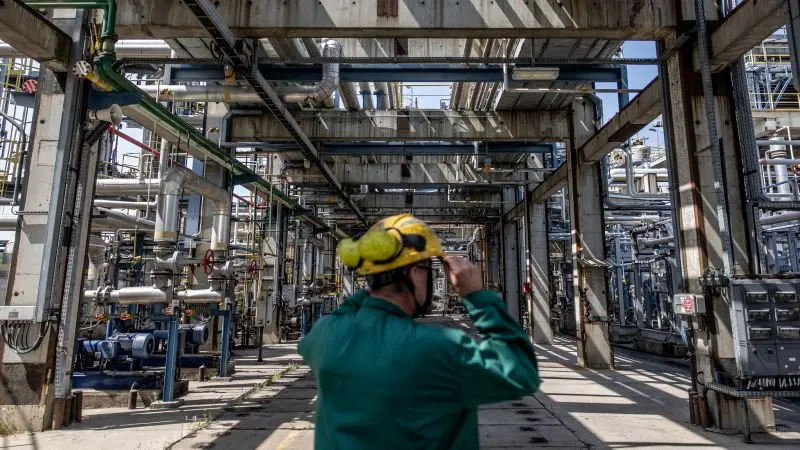
The CSD report highlights that the primary beneficiary of this pricing dynamic is MOL, Hungary’s dominant energy company. MOL’s operating income has increased by more than 30% since Russia’s full‑scale invasion of Ukraine, largely driven by the resale of Russian oil purchased at a discount.
Profits Linked to Foundations Connected to Orbán’s Network
What has raised particular concern among critics is the ownership structure of MOL and its connections to political and state‑linked foundations tied to Prime Minister Orbán. According to the CSD, three foundations connected to Orbán control approximately 30.49% of MOL’s shares. These include educational and cultural institutions such as the Mathias Corvinus Collegium, Hungary’s largest private educational foundation, which has strong ties to Orbán’s government and its political networks.
The report argues that surplus profits from the discounted oil trade — profits that have soared well above pre‑war levels — indirectly contribute to these “state capture” networks, enabling financial flows that benefit entities intertwined with Orbán’s political base.
Political Justifications and Economic Reality
Orbán and his government have defended their energy policy, arguing that Hungary’s landlocked geography and lack of direct access to seaports make diversification away from Russian oil more difficult than for other EU states. Orbán has even claimed that withdrawing from Russian energy supplies could shrink Hungary’s GDP by an estimated 4%, though this assessment has been challenged by experts who point to alternative supply routes and infrastructure options. The Hungarian government has also sought extensions of its sanctions exemption and even appealed to the U.S. — including a visit to Washington — to maintain access to Russian energy, with U.S. authorities granting temporary waivers amid political and logistical objections.
Alternative Routes and Choices Left Untapped
Analysts argue that Hungary has viable alternatives to its Russian oil dependence. For example, the Adria pipeline from Croatia’s Adriatic coast has sufficient capacity to supply Hungarian refineries with non‑Russian crude, and it has historically done so without disruption. Moreover, infrastructure upgrades could allow greater access to liquefied natural gas (LNG) from global markets such as the United States or Norway via Croatian or Polish terminals.
Despite these options, Hungary’s deepening reliance on Russian supply reflects not purely logistical necessity but a political choice to maintain the relationship with Moscow. Critics contend this choice aligns with Orbán’s broader foreign policy strategy, which often emphasizes neutrality toward Russia and resistance to EU sanctions policy aimed at weakening the Kremlin’s economy.
Impact on European Unity and Regional Relations
Hungary’s energy stance has repeatedly strained relations within the European Union, where policymakers have pushed for tighter enforcement of sanctions and a complete phase‑out of Russian energy imports. Budapest’s insistence on exemptions and its reluctance to diversify have fueled diplomatic tension, especially with neighbouring countries that have rapidly reduced their dependence on Russian oil and gas.
The political fallout extends beyond trade policy. Hungary’s actions have complicated collective EU decision‑making on sanctions, including blocking or threatening vetoes on measures related to Ukraine. Lawmakers across the EU have voiced frustration, arguing that Hungary’s approach undermines European solidarity and prolongs Russia’s ability to finance its war machine.
A Spotlight on Election Politics
These energy and economic questions come at a politically charged moment in Hungary. Parliamentary elections in April will test Orbán’s domestic support, with his opponents criticizing his handling of energy policy and foreign relations. The CSD report has been cited by critics as evidence that Hungary’s government benefits politically and economically from its continued Russian oil imports, even as ordinary consumers pay higher prices. Opposition figures argue that the narrative of dependence has been overstated by Orbán’s government and that alternatives are available without undermining energy security — a key point of political contention ahead of the vote.
European Commission and Future Sanctions
In response to ongoing concerns, the European Commission has proposed legislation to close loopholes that allow continued Russian oil imports by states like Hungary and Slovakia. If adopted, these measures could force a more complete phase‑out of Russian crude across the bloc, reducing revenue to Moscow’s war effort and tightening the sanctions regime. Proponents of the proposal argue that closing these exemptions would align Hungary and other holdouts with broader EU strategy and remove avenues by which Russian energy revenues continue to support military expenditure. Critics of Hungary’s policy argue that such action would signal a firmer European front against Russia’s war economy.
Choices That Echo Beyond Borders
Hungary’s decision to keep purchasing Russian crude has become more than an energy policy issue — it is a flashpoint in the broader geopolitical struggle over sanctions effectiveness, European unity, and the financing of Moscow’s war machine. While Budapest asserts practical and economic justifications for its approach, analysts see deeper political logic and alignment with the Kremlin’s interests, with financial benefits accruing to companies and entities linked to Prime Minister Orbán’s inner circles.