
A Different Kind of Diplomacy
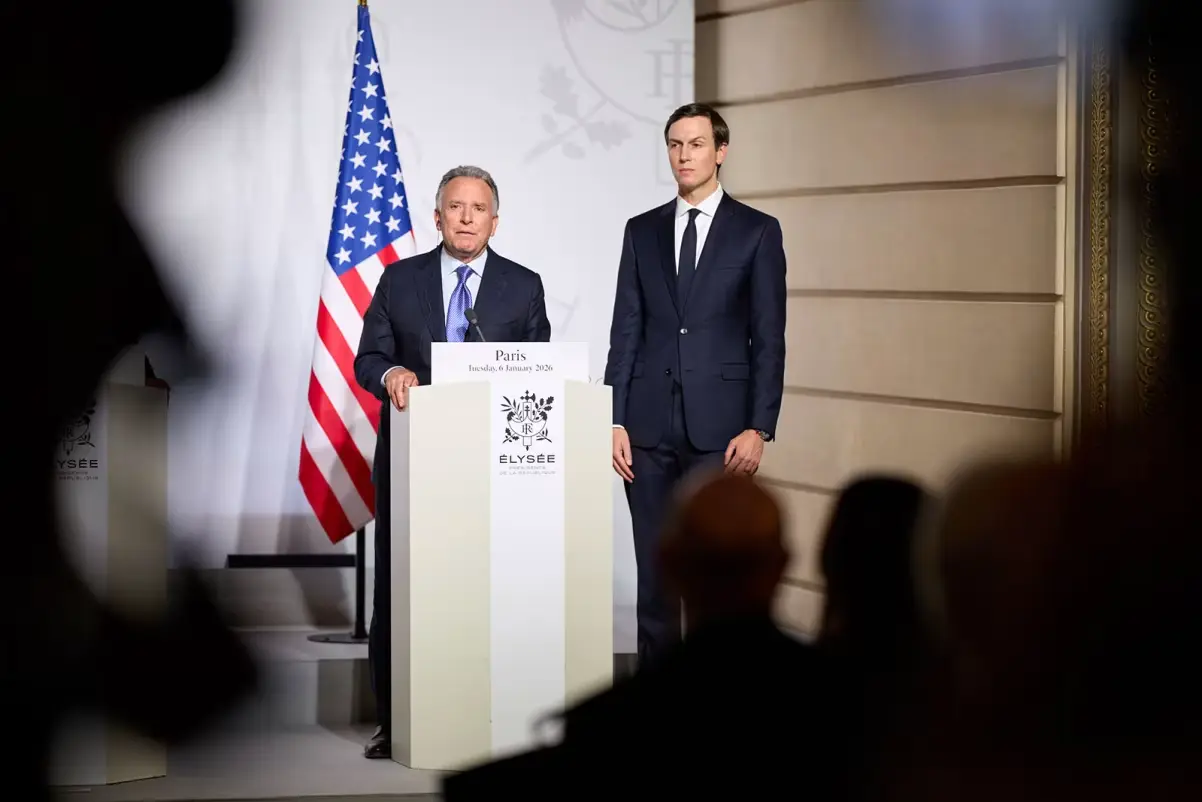
In an era marked by protracted conflicts, hardened geopolitical rivalries, and declining trust in traditional diplomatic processes, the United States has turned to an unconventional approach: a pair of outsider negotiators tasked with unlocking stalled peace efforts. Neither a career diplomat nor a longtime foreign policy insider, the duo represents a broader experiment in pragmatic, results-oriented engagement. Their mission is ambitious — to make progress across three of the world’s most volatile hotspots, where entrenched positions and deep mistrust have long frustrated conventional diplomacy.
Supporters argue that outsiders bring fresh thinking, flexibility, and a willingness to challenge bureaucratic assumptions. Critics counter that complex conflicts demand institutional knowledge, cultural nuance, and long-built relationships. As the pair shuttle between capitals, conflict zones, and back-channel meetings, the stakes are not only regional stability but also the credibility of an emerging model of American conflict mediation.
Why Outsiders, Why Now?
The shift toward unconventional envoys reflects growing frustration within Washington. Traditional diplomatic frameworks, often slow and bound by protocol, have struggled to deliver breakthroughs in conflicts that are increasingly fragmented and influenced by non-state actors, regional powers, and domestic political pressures.
Outsider negotiators can operate with fewer constraints. They often communicate directly with top leadership, bypass layers of bureaucracy, and explore informal pathways that official channels might avoid. Their backgrounds — often in business, crisis management, or political deal-making — emphasize leverage, incentives, and timelines rather than process for its own sake.
However, this flexibility comes with risks. Without deep regional experience, outsiders must rapidly absorb complex histories, internal power dynamics, and cultural sensitivities. Missteps can erode trust quickly, especially in environments where suspicion of foreign intervention already runs high.
The Three Hotspots
The duo’s challenge spans three distinct but equally volatile regions. Each presents unique obstacles — and together they form a test of whether adaptive, high-level deal-making can succeed across very different conflict environments.
Hotspot One: A War of Attrition
In the first theater, a grinding war has settled into a dangerous stalemate. Front lines shift slowly, casualties mount, and both sides believe time could strengthen their negotiating position. External support, economic pressure, and domestic politics complicate any effort toward compromise.
The envoys’ strategy here focuses on incremental de-escalation rather than an immediate comprehensive settlement. Efforts include exploring localized ceasefires, humanitarian corridors, and prisoner exchanges — confidence-building measures intended to reduce immediate suffering while creating space for broader political talks.
Yet the obstacles are formidable. Leadership on both sides fears that concessions will be interpreted as weakness. Hardline factions resist negotiations entirely. And external backers, while publicly supporting peace, often have strategic interests that prolong the conflict.
Hotspot Two: Regional Tensions on the Brink
The second crisis involves rival states locked in escalating confrontation. Military posturing, proxy activity, and inflammatory rhetoric have raised fears of a wider regional war. Here, the risk is not a prolonged stalemate but rapid escalation triggered by miscalculation.
The outsider duo is attempting to revive crisis-management mechanisms that once helped prevent accidental conflict. Their focus includes reopening military communication channels, negotiating limits on certain activities, and encouraging third-party confidence-building steps.
Unlike traditional diplomatic talks, which often stall over broader political disputes, this approach isolates immediate risk-reduction measures. The goal is simple but critical: prevent a single incident from triggering a chain reaction.
Still, progress depends heavily on political will. Domestic audiences in both countries often reward toughness, not compromise. Any agreement perceived as restraint can become politically costly for leaders facing nationalist pressure.
Hotspot Three: Internal Conflict and Fragile Governance
The third arena involves a country struggling with internal conflict, economic collapse, and weakened state institutions. Multiple armed groups, humanitarian crises, and external influence have created a fragmented landscape where no single negotiation table captures all key actors. Here, the envoys’ role blends mediation with coordination. They are working with regional organizations, humanitarian agencies, and local stakeholders to align incentives around stability. Economic relief, reconstruction funding, and political inclusion are being discussed alongside security arrangements. The challenge lies in sequencing. Political reforms require stability, but stability depends on political agreements. Without careful timing and credible guarantees, talks risk collapsing under mutual suspicion.
Back Channels and Quiet Diplomacy
A defining feature of the outsider approach is its reliance on quiet, informal engagement. Rather than high-profile summits, much of the work happens through private meetings, exploratory conversations, and unofficial intermediaries. Back-channel diplomacy allows leaders to test ideas without public commitment. It reduces the domestic political risks of appearing to negotiate with adversaries. For the outsider duo, this flexibility is essential, enabling rapid iteration and creative problem-solving.
However, secrecy also carries drawbacks. Lack of transparency can fuel speculation and mistrust. If leaked prematurely, tentative proposals may be rejected before they are fully developed. Balancing discretion with credibility is a constant challenge.
Measuring Success in a Fragmented World
Expectations for dramatic peace agreements are tempered by the realities of modern conflict. The envoys themselves have emphasized that success should be measured in reduced violence, improved humanitarian access, and reopened lines of communication rather than immediate comprehensive settlements.
In today’s geopolitical environment, even small steps can have outsized impact. A localized ceasefire can save thousands of lives. A restored military hotline can prevent escalation. A coordinated aid mechanism can stabilize fragile regions enough to allow political processes to begin.
Yet incrementalism also tests patience. Political leaders, media cycles, and domestic audiences often demand visible breakthroughs. Without clear milestones, diplomatic efforts risk being labeled ineffective even when they are quietly preventing deterioration.
Domestic Politics and International Credibility
The outsider experiment is unfolding against a complex domestic backdrop. Within the United States, foreign policy priorities compete with economic concerns, electoral politics, and debates over international engagement.
If the duo delivers tangible progress, it could reinforce arguments for flexible, leader-driven diplomacy. Failure, however, may strengthen calls for a return to traditional institutional approaches or, conversely, for reduced diplomatic involvement altogether.
Internationally, credibility is equally at stake. Partners and adversaries alike are watching to see whether the United States can still act as an effective broker. Consistency, follow-through, and coordination with allies will determine whether outsider diplomacy enhances or undermines long-term influence.
The Limits of Deal-Making
One of the central questions surrounding the effort is whether complex geopolitical conflicts can truly be approached like high-stakes negotiations. While incentives, leverage, and timelines matter, many conflicts are rooted in identity, historical grievances, and existential fears that resist transactional solutions.
The duo has increasingly emphasized listening tours, expert consultations, and engagement with civil society — recognition that durable peace requires legitimacy beyond elite agreements. Without local buy-in, even well-crafted deals risk collapse.
This evolution reflects a broader lesson: outsider energy can open doors, but sustainable outcomes still depend on deep contextual understanding and inclusive processes.
A Test Beyond Three Conflicts
The significance of the mission extends beyond the immediate crises. If the approach yields measurable de-escalation across multiple regions, it could reshape how the United States structures future peace initiatives — blending institutional expertise with flexible, high-level negotiators.
Other countries are already experimenting with similar hybrid models, combining official diplomacy with special envoys drawn from business, politics, or international mediation networks.
Conversely, if the effort stalls across all three hotspots, it may reinforce skepticism about bypassing traditional diplomatic institutions and highlight the enduring value of professional foreign service expertise.
The Road Ahead
For now, the outsider peace duo continues its quiet circuit of meetings, proposals, and revisions. Progress remains uneven. In some areas, violence has dipped temporarily. In others, political resistance has slowed momentum.
Diplomacy, especially in today’s fractured international system, rarely produces immediate breakthroughs. More often, it works invisibly — preventing crises that never make headlines. Whether the experiment ultimately succeeds will depend less on a single dramatic agreement and more on cumulative impact: fewer escalations, sustained dialogue, and incremental movement away from conflict.
Pragmatism Under Pressure
America’s outsider peace initiative reflects a pragmatic response to a changing world — one where conflicts are complex, institutions are strained, and traditional approaches often fall short. By combining unconventional negotiators with targeted, flexible strategies, Washington is testing whether adaptability can deliver results where process alone has struggled.
The coming months will determine whether this experiment represents a new model for conflict resolution or a temporary detour in the long evolution of diplomacy. Either way, the trio of hotspots now facing the outsider duo has become a defining test — not just of two negotiators, but of how peace might be pursued in an increasingly unpredictable global landscape.