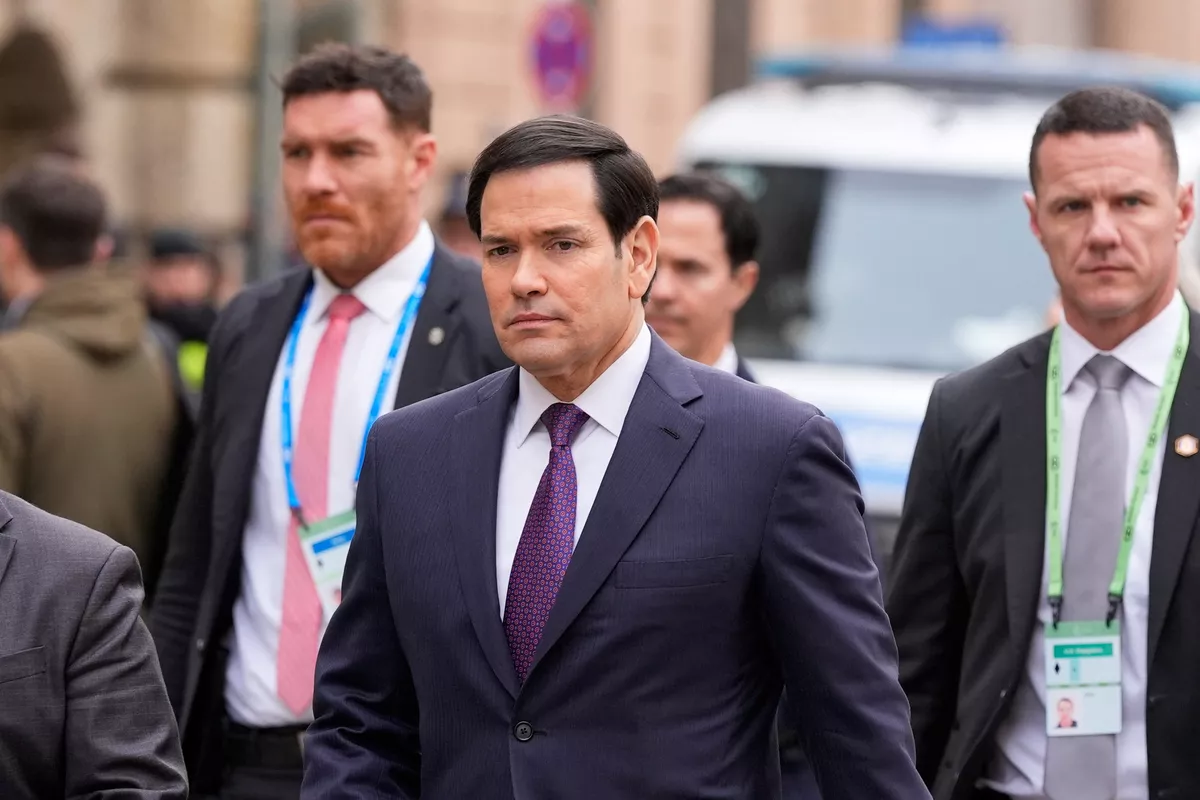
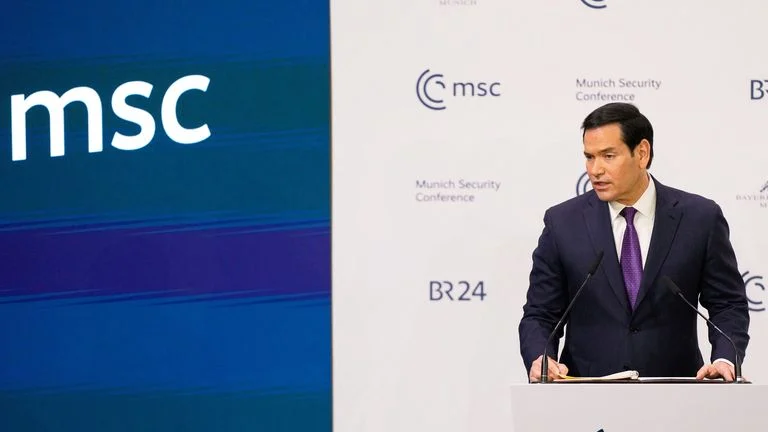

U.S. Senator Marco Rubio adopted a more conciliatory tone toward Europe this week while continuing to press long-standing American criticisms of European allies, underscoring a broader shift in U.S. foreign policy rhetoric that blends reassurance with firmer expectations.
Speaking at a forum on transatlantic relations, Rubio emphasized the historical and strategic importance of U.S.�European partnerships, describing them as �essential to global stability.� At the same time, he reiterated concerns over defense spending, strategic preparedness, and economic coordination, arguing that alliances must evolve to meet modern security challenges.
�Our alliances are strongest when they are honest,� Rubio said, framing criticism not as hostility but as a reflection of shared interests. �Friends owe each other the truth.�
Reaffirming commitment to transatlantic ties
Rubio stressed that the United States remains deeply committed to Europe�s security and prosperity, citing decades of cooperation through NATO and other multilateral institutions. He highlighted shared democratic values and the enduring political, cultural, and economic ties linking the two sides of the Atlantic.

The senator�s remarks sought to counter perceptions that Washington is retreating from its traditional alliances. Instead, he portrayed U.S. policy as one of recalibration, urging allies to adapt to shifting geopolitical realities rather than rely on Cold War�era assumptions.
Foreign policy analysts say the approach reflects a growing consensus in Washington that alliances must deliver tangible results to remain politically sustainable at home.
Persistent concerns over defense and burden-sharing
Despite the constructive framing, Rubio remained firm on defense burden-sharing, a recurring point of friction between the U.S. and Europe. He noted that while some European countries have increased military spending in recent years, others continue to fall short of agreed targets.
Rubio argued that credible deterrence requires consistent investment, particularly as security threats evolve. He pointed to rising geopolitical tensions and the need for Europe to take on a greater share of regional defense responsibilities.
European officials have acknowledged the need for stronger defense capabilities but caution against framing the issue purely in financial terms, emphasizing coordination and long-term planning.
Economic and strategic alignment
Beyond military issues, Rubio raised concerns about economic policy coordination, including industrial subsidies, supply chain security, and technology regulation. He warned that misalignment between allies could weaken collective competitiveness and complicate responses to external economic pressure.
The senator urged closer consultation on trade and technology standards, arguing that strategic rivals benefit when allies pursue fragmented approaches. He emphasized that cooperation, rather than rivalry, should guide transatlantic economic policy.
Experts say these debates reflect broader tensions as governments balance national economic priorities with alliance commitments.
European reaction and diplomatic balance
European diplomats have responded cautiously to Rubio�s remarks, welcoming reassurance of U.S. engagement while remaining sensitive to public criticism. Many note that while candid dialogue is necessary, rhetoric matters in maintaining public support for alliances on both sides of the Atlantic.
Rubio sought to address those concerns directly, insisting that criticism should not be mistaken for disengagement. �You don�t invest this much time and energy into relationships you don�t value,� he said.
The tone appeared designed to strike a balance between domestic political demands for accountability and the diplomatic need to preserve trust among allies.