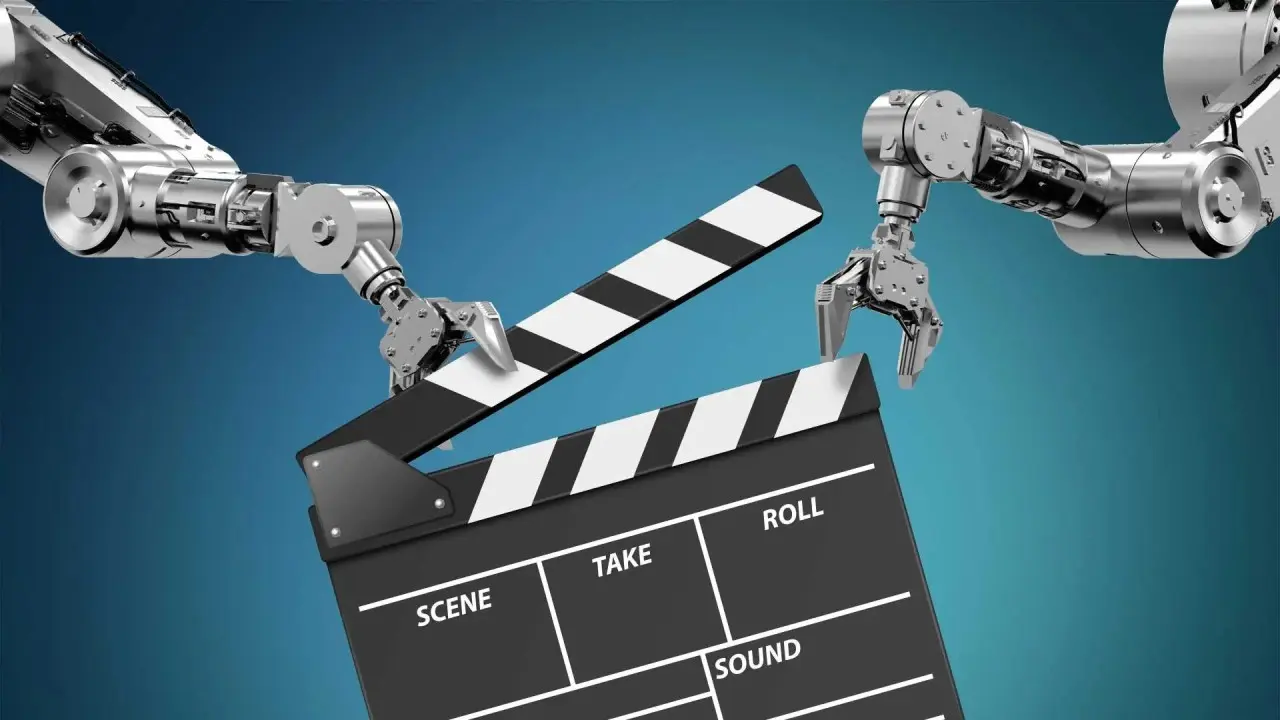

A new generation of filmmakers is emerging from an unconventional classroom, where algorithms sit alongside cameras and scripts are shaped as much by data as by dialogue. Across the United States, specialized AI film schools and training programs are gaining traction, promising to reshape how Hollywood stories are conceived, written, and produced. These institutions aim to equip aspiring directors, screenwriters, and editors with tools powered by artificial intelligence, blending traditional cinematic craft with cutting-edge technology at a moment when the entertainment industry is rapidly evolving.
At the center of this movement are programs that teach students how to use AI for tasks ranging from script development and storyboarding to visual effects, casting simulations, and post-production editing. Rather than replacing creativity, educators argue that artificial intelligence can act as a creative partner, helping filmmakers test ideas faster, visualize scenes before filming, and reduce production costs. As studios face financial pressure and audiences demand more content across streaming platforms, the appeal of faster, more efficient filmmaking has never been stronger.
Many of these programs are based in California, close to the heart of the film industry, while others operate remotely, attracting students from around the world. In classrooms and virtual labs, students learn to work with generative text and image models, machine-learning-driven editing software, and predictive analytics that estimate audience engagement. Faculty members often include veteran filmmakers and technologists who have worked with major studios and AI companies, offering students insight into how Hollywood itself is beginning to adopt these tools.
The rise of AI film education comes as the entertainment industry continues to debate the role of automation in creative work. Labor disputes in recent years highlighted concerns from writers and actors about the unchecked use of AI, particularly around job security and intellectual property. In response, many AI film schools emphasize ethics, copyright law, and responsible use of technology as core parts of their curriculum. Students are taught not only how to use AI, but also when not to use it, and how to ensure that human creativity remains central to storytelling.
Supporters say this balanced approach is preparing students for a future in which AI literacy will be as essential as understanding cinematography or narrative structure. Some graduates have already begun working on independent films, advertising campaigns, and streaming projects that integrate AI-assisted workflows. Others have found roles inside studios as technical creatives, bridging the gap between artistic teams and engineering departments. Industry executives say these hybrid skills are increasingly valuable as production pipelines become more complex.
Major technology companies have taken notice. Tools developed by firms such as OpenAI and Google are frequently incorporated into coursework, often through partnerships or educational licenses. While these companies stress that their software is meant to augment human creativity, their growing presence in film education underscores how closely technology and entertainment are becoming intertwined. For students, early exposure to these tools can offer a competitive edge in a crowded industry.
Traditional film institutions are also adapting. Some established schools have begun adding AI modules to their existing programs, while others collaborate with specialized AI academies to expand their offerings. The shift reflects a broader recognition within Hollywood that ignoring artificial intelligence is no longer an option. From pre-visualization to marketing analytics, AI is increasingly embedded in every stage of the filmmaking process, forcing educators to rethink what it means to train a filmmaker in the 21st century.
Critics caution, however, that technology alone cannot replace lived experience, emotional insight, or cultural understanding — elements that define memorable cinema. They warn against an overreliance on data-driven storytelling that prioritizes algorithms over originality. In response, AI film schools often stress that their goal is not to produce machine-generated movies, but to empower human storytellers with smarter tools. The emphasis, instructors say, remains on voice, vision, and originality.
As Hollywood continues to grapple with rapid technological change, AI film schools represent both an experiment and a signal of what lies ahead. For students willing to embrace both art and code, these programs offer a pathway into an industry that is being reshaped in real time. Whether AI ultimately transforms filmmaking or simply becomes another tool in the creative arsenal, one thing is clear: the next generation of Hollywood moviemakers is learning to tell stories in ways that previous generations could scarcely imagine.