
A ccording to the majority of economists polled by Reuters, the US Federal Reserve will keep its benchmark interest rate unchanged this quarter and probably until Chair Jerome Powell's tenure ends in May. This represents a departure from last month, when most predicted at least one cut by March. Expectations for solid US economic growth argue against near-term cutbacks, as inflation stays over the Fed's 2% objective. However, most economists anticipate at least two decreases later this year.
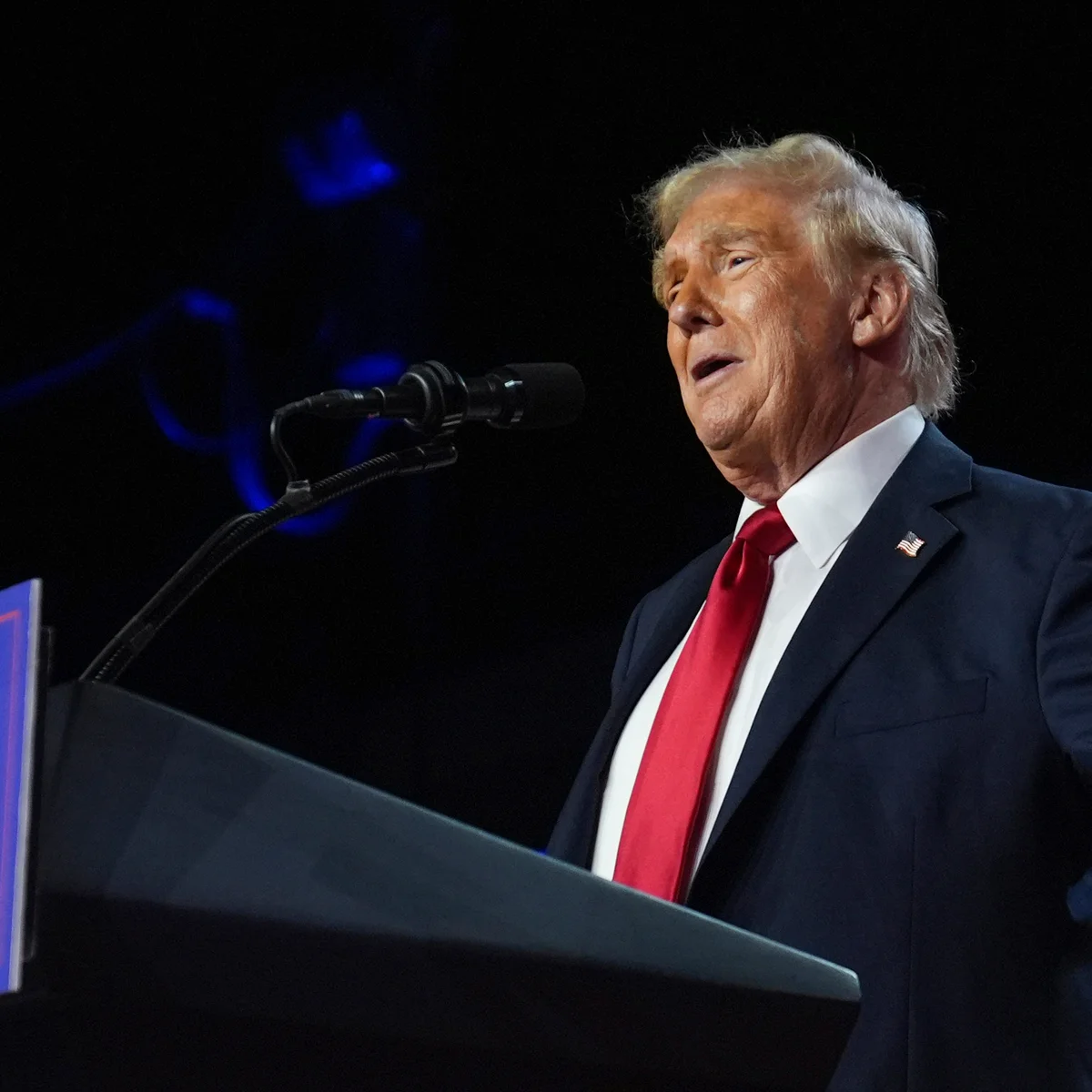
Concerns are growing in financial markets and policy circles about political meddling in the Fed's independent rate-setting process, with President Donald Trump criticizing Powell for not cutting rates more aggressively. The Justice Department has threatened Powell with a criminal investigation over building renovations at the Fed's new headquarters, and Trump's attempt to remove Fed Governor Lisa Cook is awaiting a Supreme Court hearing. All 100 economists polled between January 16-21 expect the Fed to retain rates at 3.50%-3.75% at its January 27-28 meeting, with 58% expecting no move this quarter, compared to at least one drop in the previous month's poll.
"The economic outlook on the surface suggests the Fed should remain on hold, maybe even consider putting hikes on the table sometime later this year or next year, said Jeremy Schwartz, Nomura's senior U.S. economist. A tiny majority of respondents (55 out of 100) predicted rate decreases to resume once Powell's term ended in May. The US economy expanded at a solid 4.3% rate in the third quarter, and it is anticipated to grow by 2.3% this year, up from 2% last month and higher than the Fed's non-inflationary rate of 1.8%.
Growth is expected to average 2% through 2028 The unemployment rate is predicted to stay stable this year, averaging 4.5%. The change in the Personal Consumption Expenditures index (the Fed's preferred inflation indicator) is likely to remain above the 2% level for the rest of the year and beyond.
Why This News Matters:
The U.S. economy is on track to grow in a healthy way, but there has been a lot of talk about the Federal Reserve's decision to keep interest rates steady this quarter. This is especially true since President Trump wants the rates to go down even more. Most economists think that rates will go down after Jerome Powell's term ends in May.
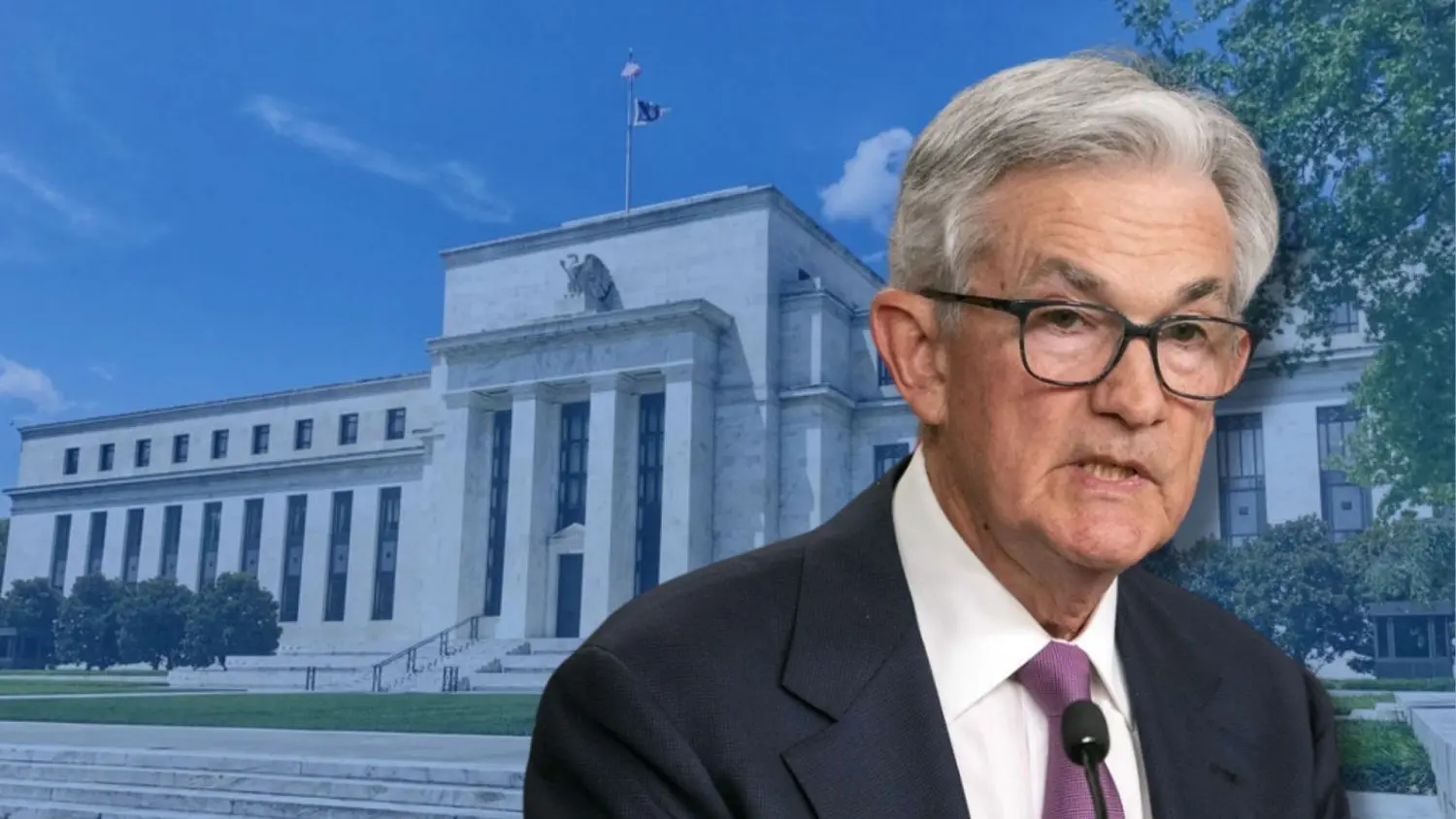
However, inflation is still above the Fed's target, which puts pressure on policymakers. This ongoing battle could change the financial landscape for years to come, affecting everything from inflation rates to government spending and growth. Trump's influence could change the leadership of the Fed and the way the economy works.
Economic Forecast and Trump�s Influence on the Federal Reserve
A Reuters poll found that 58% of economists think the Federal Reserve will keep interest rates the same this quarter. Most of them think there will be two rate cuts later this year. President Trump has always wanted bigger rate cuts and has criticized Powell for not acting sooner. The US economy is expected to grow by 2.3% in 2026, which is a little more than the previous estimate of 2%. Growth is also expected to be around 2% each year on average in the next few years.
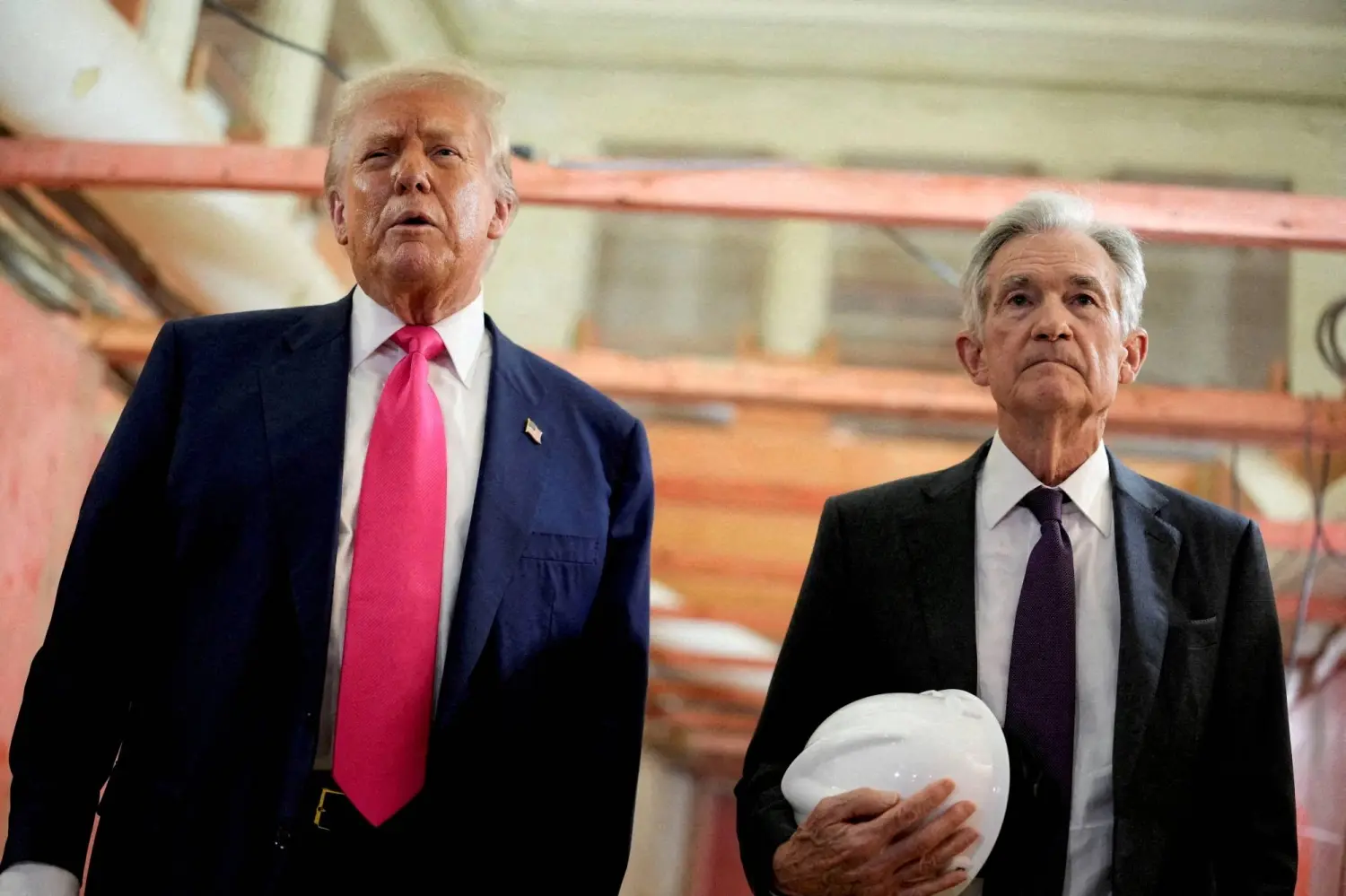
Trump's tariffs and economic policies are still having an effect. This year, tax cuts are estimated to add six-tenths of a percentage point to GDP growth. Economists think that inflation will stay over the Fed's target, even if Trump has promised to fix the economy. This is especially true because tariffs are still having an effect. Bernard Yaros from Oxford Economics thinks that growth will be robust in 2026, but he also says that the economy may stay high for years.
Federal Reserve�s Rate Policy and Economic Risks
A poll from January found that analysts think the Federal Reserve would retain its benchmark interest rate between 3.5% and 3.75% at the next meeting.
- Fed rate stance firm
- Trump challenges Powell
- Political interference concerns
- Inflation above target
However, rates will keep going down once Powell's term ends in May. The fight over interest rates is still going on, and Trump has been very clear about how he disagrees with Powell's judgments about setting rates, especially when inflation fears are still high.
People are more worried about political interference in monetary policy because of the Justice Department's investigation into Powell's actions and Trump's attempts to sway Fed leadership. Trump might pick the next head of the Federal Reserve as soon as next week. Critics think there will be a lot of opposition because Powell is being investigated for a crime. Even while the economy is set to grow quickly, inflation is still above the Fed's 2% target, and some economists say that rate decreases will happen more slowly than Trump would like.
Economic Outlook and Federal Reserve�s Independence
The US economy grew by 4.3% in the third quarter, and it is now expected to increase by 2.3% in 2026, which is up from the previous estimate of 2.2%. Most economists who were asked think that the Federal Reserve would keep interest rates the same. They also think that rates will start to go down again when Powell's term ends. Some economists disagree with Trump's proposal for rate cuts, saying that tariffs and tax cuts are more important in changing the economy.
Bernard Yaros, a top economist at Oxford Economics, says that the U.S. GDP will rise quickly because of more investments in AI and tax cuts in the fiscal plan. However, inflation will stay high for a long time.
The most current numbers show that inflation stayed above the 2% target, with core inflation at 2.6%. Even if President Trump says he has won the battle against inflation, this is still a problem for policymakers. The US economy is expected to keep growing healthily, but tariffs and tax cuts will likely keep inflation above the target for a few years.
Inflation is expected to stay around 2% for the foreseeable future, and price pressures are already hitting basic goods like groceries and gasoline. The fact that interest rate decisions are still unclear and that politics may affect the Fed's work makes the future of the economy much more complicated.