
T he decision by the Federal Reserve to pause interest rate hikes has gained fresh support from recent U.S. jobs data, offering reassurance that the labor market remains resilient even as economic growth shows signs of cooling. However, central bank officials and market participants alike say the data has not eliminated deeper concerns about inflation, wage growth, and the potential for economic slowdown later this year.
Recent employment reports showed steady job creation and a relatively low unemployment rate, reinforcing the view that the U.S. economy continues to expand at a moderate pace. For policymakers, the strength of the labor market provides justification for holding rates steady after an aggressive tightening cycle aimed at taming inflation that reached multi-decade highs in recent years.
At the same time, officials have emphasized that a pause does not necessarily signal the end of monetary tightening. Instead, it reflects a cautious wait-and-see approach as the Fed assesses how past rate increases are working their way through the economy.
Jobs data strengthens the case for a pause
According to data released by the U.S. Bureau of Labor Statistics , employers added jobs at a pace that exceeded expectations, while layoffs remained limited across most sectors. Wage growth, though still elevated, showed tentative signs of moderation�an encouraging signal for policymakers concerned about inflationary pressures tied to labor costs.
The unemployment rate held near historic lows, underscoring continued demand for workers despite higher borrowing costs. Analysts say this resilience has given the Fed breathing room to pause further rate hikes without appearing complacent about inflation.
�The labor market remains strong enough to justify patience,� said one economist at a major U.S. investment bank. �The Fed doesn�t need to rush into additional tightening when employment is holding up and inflation is gradually easing.�
Inflation concerns still present
Despite positive labor indicators, inflation remains above the Fed�s long-term target, keeping policymakers on alert. Core inflation measures�excluding volatile food and energy prices�have proven stubborn, driven in part by housing costs and services inflation.

Officials have repeatedly stressed that sustained progress toward price stability is required before considering rate cuts. While headline inflation has cooled from its peak, the Fed remains wary of declaring victory too soon, particularly if strong job growth fuels renewed wage pressures.
�We�re encouraged, but not satisfied,� a senior Fed official said recently, reflecting the central bank�s cautious stance. �The risk of doing too little remains as real as the risk of doing too much.�
Markets react cautiously
Financial markets responded to the latest data with guarded optimism. U.S. stock indexes edged higher following the jobs report, while Treasury yields fluctuated as investors recalibrated expectations for future Fed policy. Traders continue to debate whether the next move will be a rate hike, a prolonged pause, or eventual cuts later in the year.
Bond markets, in particular, reflect lingering uncertainty. Short-term yields suggest investors still see a possibility of further tightening, while longer-term yields indicate expectations of slower growth ahead.
The New York Stock Exchange saw mixed trading as investors balanced confidence in economic resilience against concerns about long-term risks.
Economic resilience versus slowdown risks
The Fed�s pause comes amid mixed signals from the broader economy. Consumer spending has remained relatively strong, supported by job growth and rising incomes. However, higher interest rates have cooled sectors such as housing and commercial real estate, raising concerns about potential knock-on effects.
Small businesses, in particular, report tighter credit conditions, while banks have become more cautious in lending. Economists warn that the full impact of past rate hikes may not yet be fully felt, increasing the risk of a delayed slowdown.
�There�s a lag effect with monetary policy,� said a senior economist at a U.S. research firm. �Just because the economy looks stable now doesn�t mean the pressure won�t show up later.�
Fed officials signal data dependence
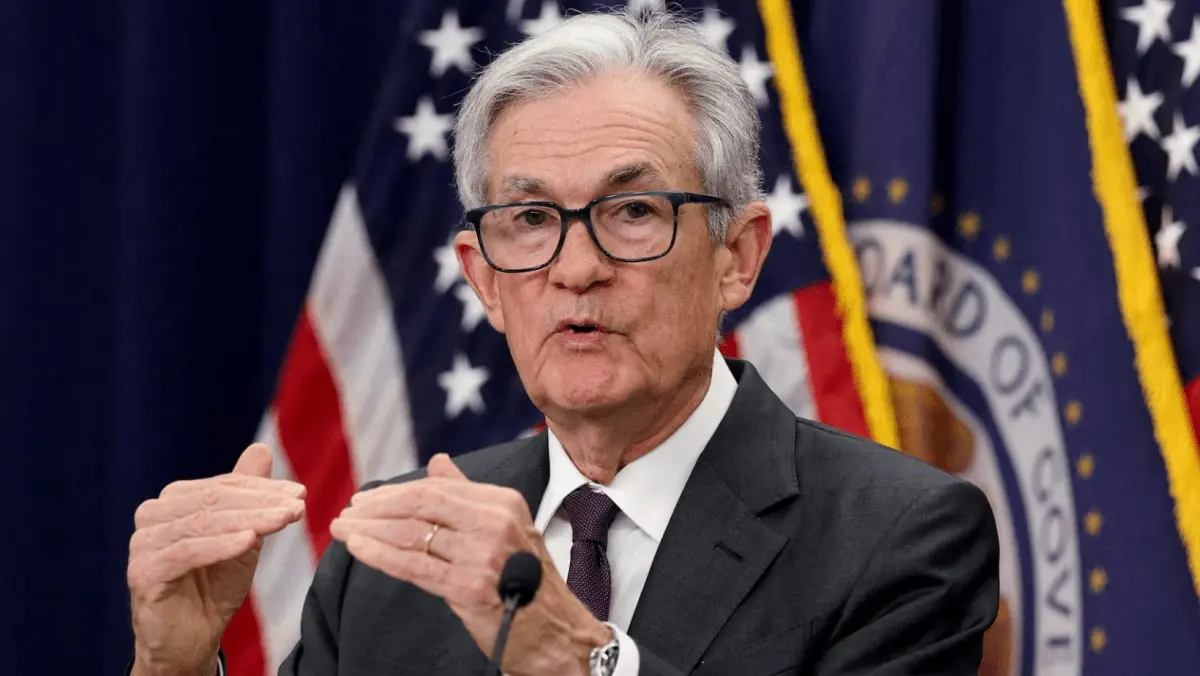
Chair Jerome Powell and other policymakers have emphasized that future decisions will remain data-dependent. The Fed has avoided giving clear forward guidance, preferring flexibility as economic conditions evolve.
Officials have indicated they will closely monitor upcoming inflation reports, wage data, and indicators of consumer demand before making any further moves. A renewed surge in inflation could prompt additional rate hikes, while a sharp slowdown could open the door to easing.
This cautious posture reflects lessons learned from previous cycles, when premature policy shifts either reignited inflation or deepened economic downturns.
Political and global considerations
The Fed�s actions are unfolding against a complex political and global backdrop. In Washington, lawmakers from both major parties are closely watching the central bank�s decisions, given their implications for economic growth, borrowing costs, and voter sentiment.
Internationally, global economic uncertainty�from geopolitical tensions to uneven growth in major economies�adds another layer of risk. Slower growth abroad could weigh on U.S. exports, while volatile energy markets could complicate inflation dynamics.
The Fed has acknowledged these risks but maintains that its primary mandate remains domestic: promoting maximum employment and stable prices within the United States.