
F or decades, the promise of a free hotel breakfast has been a small but meaningful perk for American travelers. From cereal and waffles to eggs and coffee, complimentary morning meals became a standard feature across much of the hotel industry. Today, however, that once-universal benefit is increasingly shaped by a K-shaped economic divide, where higher-end hotels enhance their offerings while budget and midscale properties quietly cut back.
Rising food prices, labor shortages, and tighter operating margins are forcing hotel operators to make difficult choices. Inflation has pushed up the cost of staples such as eggs, dairy, and fresh fruit, while wages for kitchen and service staff continue to climb. For many lower-priced hotels, especially those catering to cost-conscious travelers, maintaining a full breakfast spread has become a growing financial burden.
Rising food prices, labor shortages, and tighter operating margins are forcing hotel operators to make difficult choices. Inflation has pushed up the cost of staples such as eggs, dairy, and fresh fruit, while wages for kitchen and service staff continue to climb. For many lower-priced hotels, especially those catering to cost-conscious travelers, maintaining a full breakfast spread has become a growing financial burden.
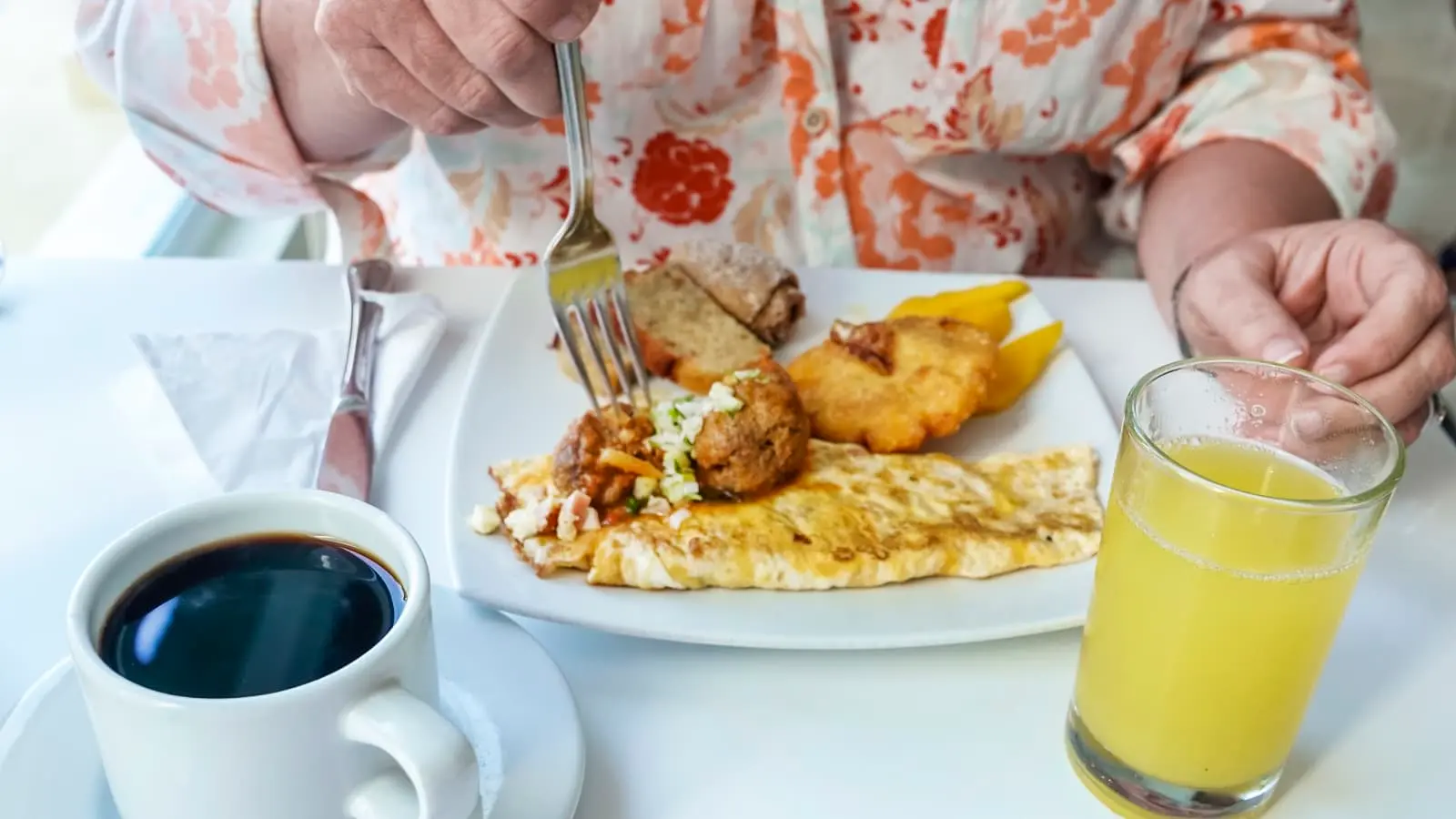
As a result, some economy and midscale hotels have simplified their menus or reduced service hours. Hot items may be replaced with grab-and-go bags, prepackaged pastries, or limited continental options. In some cases, hotels still advertise “free breakfast,” but guests arrive to find fewer choices and smaller portions than before.
At the other end of the spectrum, upscale and lifestyle brands are moving in the opposite direction. Luxury and upper-midscale hotels, which cater to business travelers and higher-income guests, are investing more in breakfast experiences as a way to differentiate themselves. Expanded buffets, locally sourced ingredients, and made-to-order items are increasingly used as selling points. For these hotels, breakfast is not just a cost center but a branding opportunity.
This divergence reflects a broader K-shaped economic reality in the U.S. travel market. Wealthier consumers, less affected by inflation and higher interest rates, continue to spend on premium travel experiences. Meanwhile, budget travelers are more sensitive to price increases and are prioritizing affordability over amenities. Hotels are responding by tailoring services to the spending power of their core customers.
Industry analysts note that free breakfast has always been more critical for budget hotels, where it can significantly influence booking decisions. However, with margins under pressure, some operators are betting that travelers will tolerate fewer options if room rates remain competitive. Others are experimenting with hybrid models, offering basic complimentary items while charging extra for hot or specialty foods.
The shift also reflects changes in traveler behavior since the pandemic. Remote work and flexible schedules have altered morning routines, with some guests skipping breakfast altogether or opting for nearby cafés. Hotels are increasingly analyzing usage data to determine whether the cost of a full breakfast service is justified by guest demand.
Despite these pressures, free breakfast is unlikely to disappear entirely from the American hotel landscape. Instead, it is becoming another marker of economic stratification. Guests staying at higher-end properties may enjoy more elaborate and curated meals, while those at lower-cost hotels encounter a pared-down version of what was once standard.
For travelers, the message is clear: the value of “free breakfast” now depends heavily on where you stay. As economic pressures continue to reshape the hospitality industry, the humble hotel breakfast is emerging as a small but telling symbol of a divided economy—one where experiences, even in the morning meal, increasingly reflect who can afford more and who cannot.