From working-class roots to the halls of power, Gallego’s story reflects changing pathways to American leadership
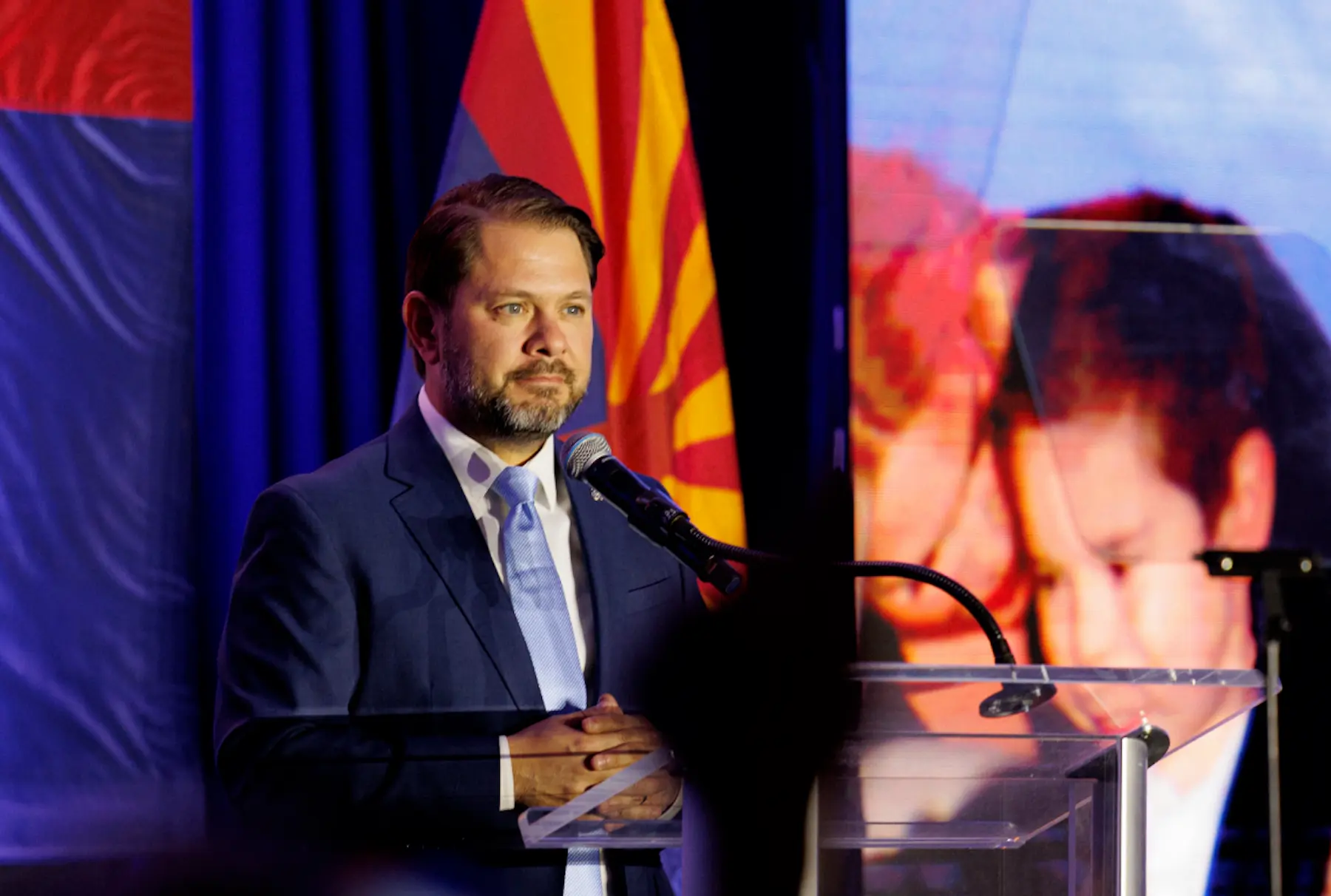
For U.S. Senator Ruben Gallego, the road to Congress was anything but conventional. Long before he took the oath of office, Gallego worked as a janitor, helped support his family, and navigated the challenges faced by many working-class Americans. Today, his personal journey has become central to his political identity and message.
Born to immigrant parents, Gallego grew up in a household shaped by financial instability and sacrifice. His mother raised him largely on her own, holding multiple jobs to make ends meet. As a teenager, Gallego took on janitorial work to help support his family, an experience he has often cited as formative in shaping his views on labor, opportunity, and dignity in work.
Those early years, Gallego says, grounded him in the realities faced by millions of Americans who struggle to balance work, education, and family responsibilities. “I’ve lived the consequences of low wages and limited opportunity,” he has said in interviews, noting that those experiences continue to influence his approach to policymaking.
Education as a turning point
Gallego’s trajectory began to change through education and public service. He earned admission to Harvard University, a transition he has described as both transformative and challenging. Arriving on campus from a working-class background, he encountered cultural and economic contrasts that reinforced his awareness of inequality.

At Harvard, Gallego studied government and became more deeply engaged in public policy and civic leadership. He has said the experience broadened his understanding of how institutions function—and how disconnected they can be from the everyday realities of working families.
Education, however, was not just a personal achievement; it became a lens through which Gallego viewed systemic barriers to advancement. He has since advocated for expanded access to higher education and student support, arguing that talent and ambition should matter more than background.
Military service and leadership
After graduating, Gallego joined the United States Marine Corps, serving as an infantry officer and completing deployments overseas. His time in the military, he has said, reinforced lessons about leadership, accountability, and shared sacrifice.

Military service also shaped Gallego’s views on national security and veterans’ issues. He has frequently spoken about the gap between policymakers and those who serve, emphasizing the importance of firsthand experience in shaping responsible defense policy.
For Gallego, the transition from military service to public office was driven by a desire to continue serving—this time through elected leadership.
From state politics to Congress
Gallego began his political career in Arizona state politics before winning election to the U.S. House of Representatives. Throughout his campaigns, he highlighted his background as evidence that government should reflect the diversity of experiences within the country.
In Congress, Gallego built a reputation as a vocal advocate on issues including labor rights, immigration reform, veterans’ care, and economic opportunity. He often framed policy debates through the lens of his own life story, arguing that effective governance requires an understanding of how decisions affect working families.
His rise has resonated with voters who see his journey as a reflection of broader changes in American politics, where nontraditional candidates increasingly challenge long-established norms.
A personal story as political message
Gallego’s narrative—from janitor to U.S. senator—has become a central feature of his public image. Supporters view it as evidence that upward mobility, while difficult, remains possible. Critics argue that personal stories should not overshadow policy substance, a point Gallego himself has acknowledged.
Still, he maintains that lived experience matters. “Who you are and where you come from shape what you fight for,” he has said. “I don’t forget the people I worked alongside or the families who are still struggling.”
As debates over inequality, wages, and opportunity continue to dominate national politics, Gallego’s story offers a reminder of the varied paths that lead to public service—and the perspectives those paths can bring to the highest levels of government.