

Compensation Increase Reflects Strong Performance
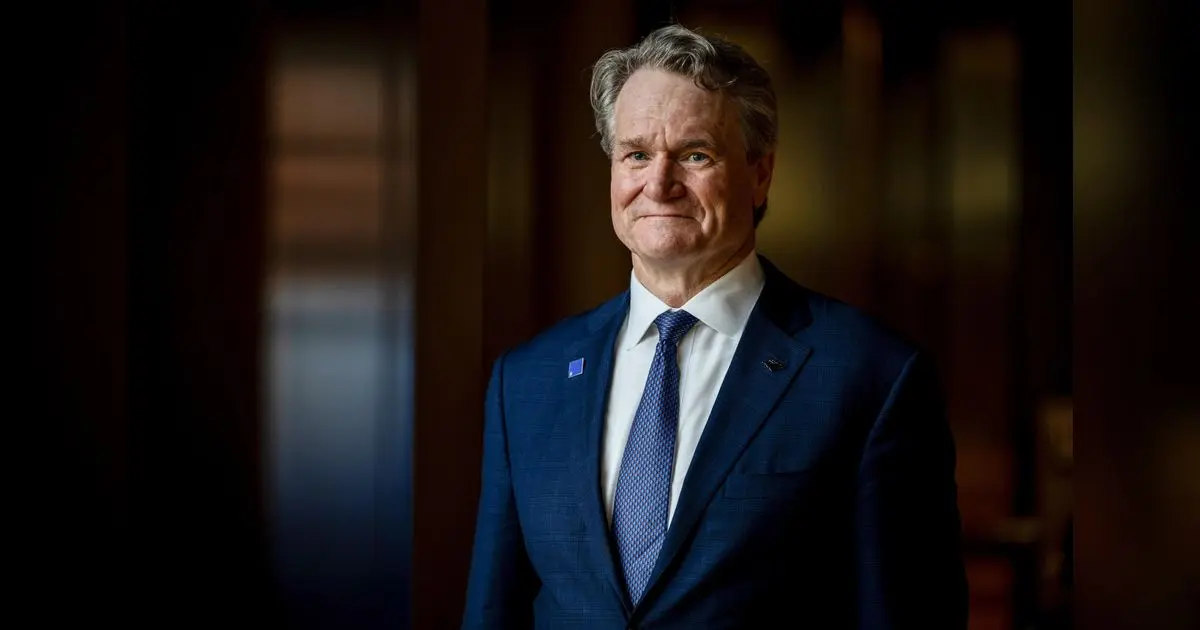
Bank of America has raised the total compensation of its chief executive Brian Moynihan to $41 million, according to a regulatory filing, marking a notable increase from the prior year. The pay rise comes as the bank reported resilient earnings, improved efficiency, and solid returns to shareholders despite a challenging macroeconomic environment. Moynihan’s compensation package includes a mix of base salary, cash incentives, and long-term equity awards, aligning his pay with the bank’s financial performance and strategic execution. The board’s compensation committee cited strong results across core business lines, disciplined cost management, and progress on long-term growth initiatives as key factors behind the decision. Bank of America has benefited from higher interest rates boosting net interest income, while maintaining credit quality amid slowing economic growth. The pay increase reflects confidence in Moynihan’s leadership as the bank navigates a period of shifting monetary policy expectations and evolving regulatory scrutiny. Large U.S. banks have faced pressure to balance profitability with risk management, particularly as interest rate volatility and geopolitical uncertainty weigh on markets. Against this backdrop, the board emphasized that executive compensation remains closely tied to performance metrics such as earnings, return on equity, and shareholder value creation. The increase also underscores how major financial institutions continue to reward top executives who deliver stability and growth during uncertain economic cycles.
Pay Structure and Shareholder Alignment
The bulk of Moynihan’s compensation was awarded in stock-based incentives, reinforcing the bank’s emphasis on long-term performance and alignment with shareholders. Equity awards typically vest over several years, encouraging sustained focus on profitability, capital discipline, and strategic priorities rather than short-term gains. His base salary remained a relatively small portion of the total package, consistent with pay structures at other major U.S. financial institutions. The compensation committee noted that Bank of America’s performance compared favorably with peers, supporting the decision to raise executive pay while maintaining competitive positioning in the market for senior leadership talent. Shareholder returns, including dividends and share buybacks, were also cited as evidence that the bank’s strategy is delivering tangible benefits.
While executive pay remains a sensitive topic, particularly during periods of economic uncertainty, the bank argued that the compensation increase reflects measurable outcomes rather than discretionary rewards. Governance practices, including regular reviews of pay-for-performance alignment, were highlighted as safeguards to ensure accountability. The structure of the package mirrors broader industry trends, where long-term incentives dominate executive compensation in an effort to link leadership rewards to sustained value creation. As a result, Moynihan’s higher pay package is designed not only to recognize past performance but also to incentivize continued execution of the bank’s long-term strategy.
Broader Context and Investor Scrutiny
The rise in Moynihan’s compensation comes at a time when executive pay across corporate America is under increased scrutiny from investors, regulators, and the public. Rising wages at the top contrast with ongoing concerns about cost pressures, workforce restructuring, and economic inequality. For banks in particular, compensation decisions are closely watched given their systemic importance and exposure to economic cycles. Investors generally support higher pay when it is clearly linked to performance, but proxy advisory firms and shareholder groups often examine such increases closely during annual meetings. Bank of America’s board appears to be betting that strong results and transparent pay structures will win investor approval. Looking ahead, the focus will remain on whether the bank can sustain earnings momentum as interest rate dynamics shift and credit conditions evolve. Moynihan’s compensation increase signals confidence in leadership continuity and strategic direction, but it also raises expectations for continued delivery. In an environment where scrutiny of corporate governance is intensifying, executive pay decisions are increasingly seen as a barometer of board confidence, performance discipline, and alignment with shareholder interests.