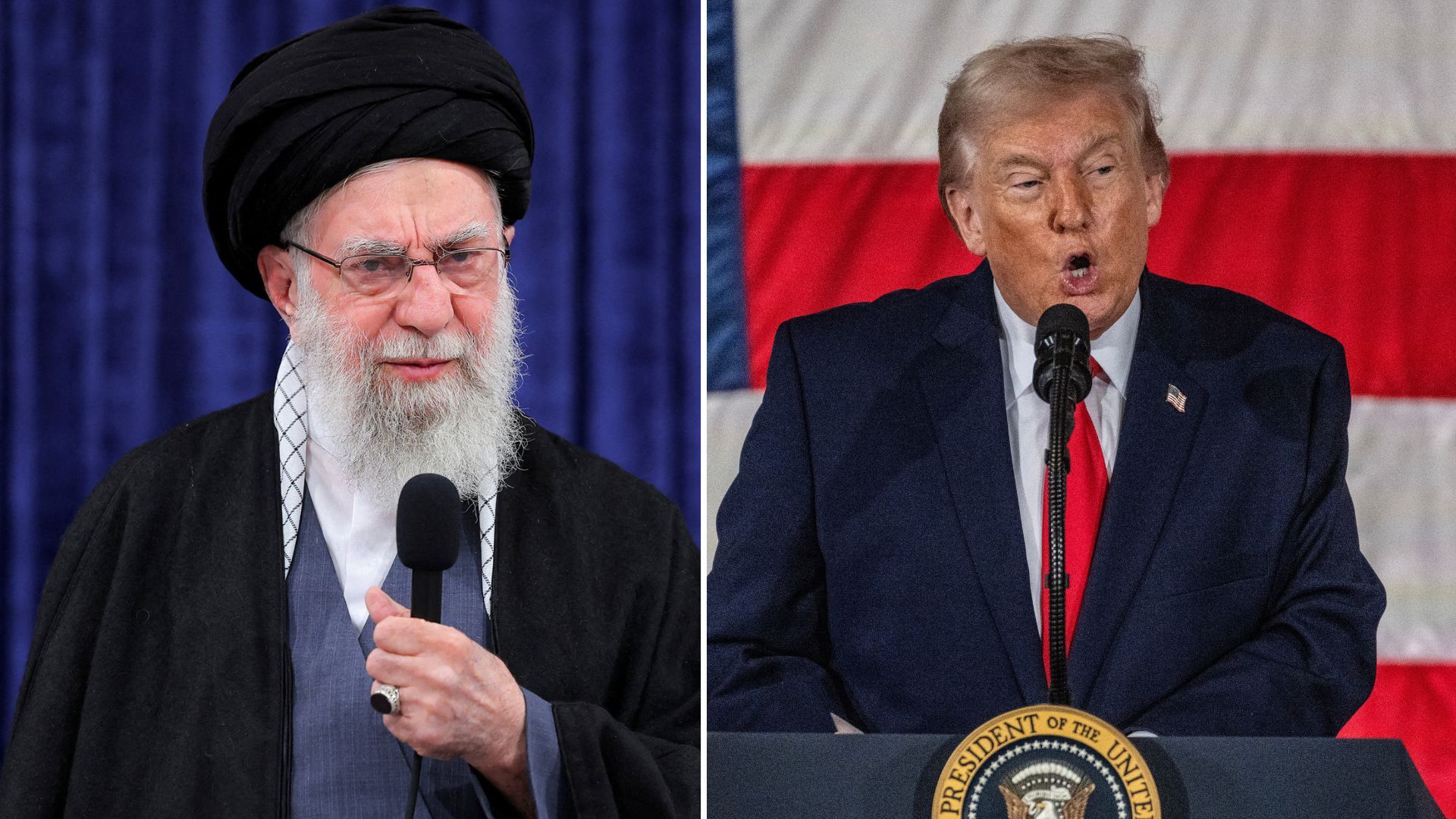

F ormer U.S. President Donald Trump said a change in Iran’s ruling system could be “the best thing that could happen,” comments that have reignited debate over Washington’s approach toward Tehran and raised questions about the future of diplomacy, regional stability, and U.S. foreign policy in the Middle East. The remarks come at a time of heightened military presence, stalled negotiations over Iran’s nuclear program, and growing international concern over escalating rhetoric between the two long-standing adversaries.
Trump made the comments while speaking to reporters during a visit to U.S. troops, responding to questions about Iran’s leadership and its role in regional conflicts. While he did not outline a specific plan or endorse direct military action to bring about political change, his words marked one of the clearest public endorsements of regime change in Iran by a U.S. leader in recent years. “It seems like that would be the best thing that could happen,” Trump said when asked whether Iran’s current government should be replaced.
The statement immediately drew global attention, as regime change has long been considered a sensitive and controversial concept in U.S. policy toward Iran. Successive administrations have officially avoided adopting it as a stated objective, even while applying economic sanctions, diplomatic pressure, and, at times, military deterrence. Trump’s comments, however, suggest a more confrontational posture that could complicate ongoing diplomatic efforts aimed at limiting Iran’s nuclear activities.
Context of Long-Running U.S.–Iran Tensions
Relations between the United States and Iran have been adversarial for more than four decades, dating back to the 1979 Islamic Revolution and the subsequent hostage crisis at the U.S. Embassy in Tehran. Since then, disputes have centered on Iran’s nuclear ambitions, support for armed groups across the Middle East, missile development, and human rights concerns. Periods of limited engagement have alternated with phases of sharp confrontation, sanctions, and diplomatic breakdowns.
Trump has long been critical of previous diplomatic agreements with Iran, particularly the 2015 nuclear deal, arguing that it failed to permanently prevent Tehran from developing nuclear weapons and did not address Iran’s regional activities. During his presidency, the U.S. withdrew from the agreement and reimposed sweeping sanctions, significantly damaging Iran’s economy. Since then, negotiations to revive or replace the deal have been sporadic and fragile, with little tangible progress.
Against this backdrop, Trump’s suggestion that regime change could be beneficial reflects frustration with the lack of diplomatic breakthroughs. He argued that decades of talks have failed to alter Iran’s behavior, saying prolonged negotiations without decisive outcomes have only allowed tensions to persist. Supporters of a tougher approach argue that Iran’s leadership has little incentive to compromise and that sustained pressure is necessary to force change.
Military Posture and Strategic Signaling
Trump’s remarks coincided with renewed attention on the U.S. military posture in the Middle East. The deployment of additional naval and air assets to the region has been framed by U.S. officials as a deterrent measure, intended to signal readiness and protect American interests should negotiations fail or hostilities escalate. Aircraft carrier strike groups and advanced air defense systems are often used as visible demonstrations of power, aimed at discouraging adversaries from aggressive actions.
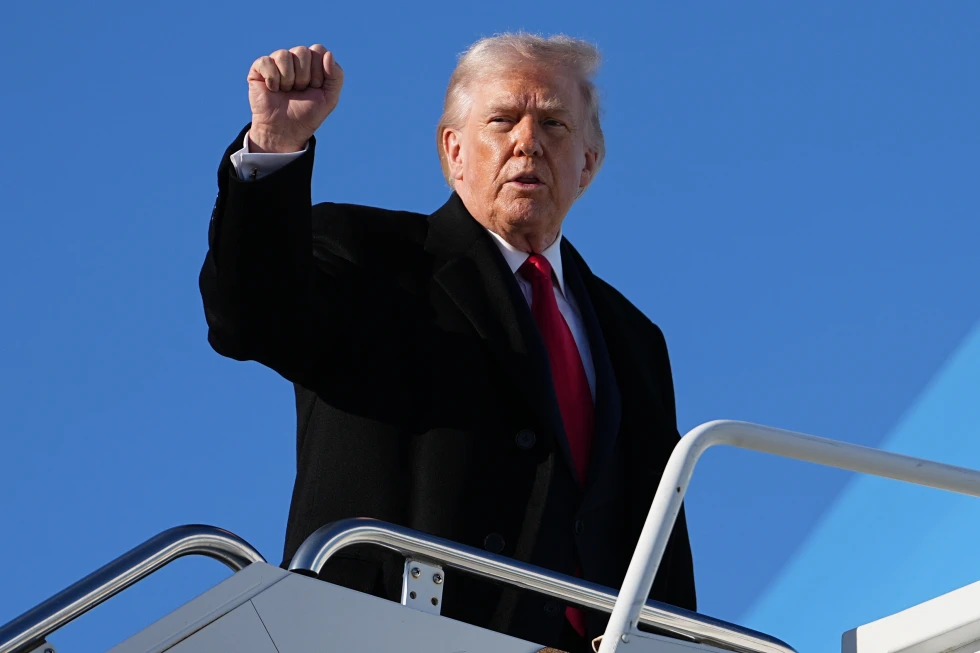
Defense analysts note that while such deployments can strengthen deterrence, they also increase the risk of miscalculation. Iran has repeatedly warned that it would respond forcefully to any perceived threats or attempts to undermine its sovereignty. The presence of large military forces in close proximity raises the stakes, particularly in a region already marked by proxy conflicts, maritime tensions, and fragile political balances. Trump has said that military action is not his preferred outcome, emphasizing that a negotiated agreement would be better for all sides. However, by publicly floating the idea of regime change, he has added a layer of uncertainty to U.S. intentions. Critics argue that such rhetoric could harden Tehran’s stance, making compromise more difficult and increasing the likelihood of confrontation.
International and Regional Reactions
Trump’s comments prompted a wide range of reactions from U.S. allies, regional powers, and international observers. Some governments in the Middle East, while wary of Iran’s influence, expressed concern that open discussion of regime change could destabilize the region further. Many Gulf states, which sit close to key shipping routes and energy infrastructure, fear that any escalation involving Iran could disrupt global oil supplies and threaten their own security.
European allies have traditionally favored diplomatic engagement over overt calls for political change in Iran. Officials and analysts in Europe cautioned that endorsing regime change could undermine international efforts to contain Iran’s nuclear program through inspections and agreements. They argue that while Iran’s leadership poses challenges, abrupt political upheaval could produce unpredictable outcomes, including internal conflict or the rise of more hard-line factions.
At the same time, Iranian opposition groups and activists abroad have welcomed Trump’s remarks as moral support. Many point to ongoing protests, economic hardship, and restrictions on civil liberties inside Iran as evidence that the current system lacks popular legitimacy. Some opposition figures argue that external pressure, combined with internal dissent, could eventually bring about meaningful change.
Impact on Nuclear Diplomacy
The most immediate policy implication of Trump’s statement relates to negotiations over Iran’s nuclear program. Talks have aimed to limit uranium enrichment and ensure international monitoring in exchange for sanctions relief. Iran insists its nuclear activities are peaceful, while Western governments argue that enrichment levels and technology development go beyond civilian needs.
Diplomats worry that rhetoric supporting regime change could undermine trust and derail negotiations entirely. From Tehran’s perspective, such statements reinforce suspicions that the U.S. ultimately seeks to overthrow the government rather than reach a mutually acceptable agreement. This perception could reduce Iran’s willingness to make concessions, even on technical issues related to nuclear compliance. Supporters of a harder line counter that Iran has used negotiations to buy time and relieve pressure without fundamentally changing course. They argue that maintaining maximum leverage, including the possibility of political change, is necessary to secure a lasting solution. The debate highlights a long-standing divide in U.S. foreign policy between engagement and coercion.
Domestic Political Implications in the U.S.
Trump’s remarks also carry domestic political significance. His stance on Iran resonates with segments of the U.S. electorate that favor assertive foreign policy and view Iran as a major threat to global security. By emphasizing toughness and skepticism toward diplomacy, Trump reinforces a core element of his political identity.
Opponents, however, warn that advocating regime change risks repeating past mistakes, pointing to the long-term consequences of U.S. interventions elsewhere in the region. They argue that military involvement or covert efforts to influence political outcomes can lead to prolonged instability, humanitarian crises, and blowback against U.S. interests.
The comments are likely to feature prominently in debates over foreign policy direction, especially as voters weigh questions of global leadership, military engagement, and diplomatic strategy.
Human Rights and Internal Unrest in Iran
Iran has faced waves of protests in recent years over economic conditions, social restrictions, and political freedoms. Human rights organizations have reported arrests, crackdowns, and restrictions on media and civil society. These developments have intensified calls from activists for international support and accountability.
Trump referenced suffering inside Iran when discussing the potential benefits of change, framing his remarks partly in humanitarian terms. Critics caution, however, that external pressure alone may not improve conditions for ordinary Iranians and could worsen economic hardship through sanctions and isolation.
The question of how best to support human rights in Iran remains deeply contested, with no consensus on whether engagement, pressure, or a combination of both is most effective.
Looking Ahead
Trump’s statement that regime change in Iran could be “the best thing” adds a new dimension to an already complex relationship. While it does not constitute a formal policy shift, the rhetoric alone has consequences, influencing perceptions, diplomatic calculations, and regional dynamics.
In the coming months, attention will focus on whether diplomatic channels remain open, how Iran responds to continued pressure, and whether military posturing gives way to renewed negotiations or further escalation. For now, Trump’s remarks underscore the enduring volatility of U.S.–Iran relations and the difficulty of resolving decades-long disputes through either diplomacy or force alone. As history has shown, the path forward will likely involve a mixture of negotiation, deterrence, and political signaling — with high stakes for regional stability, global security, and millions of lives affected by the outcome.