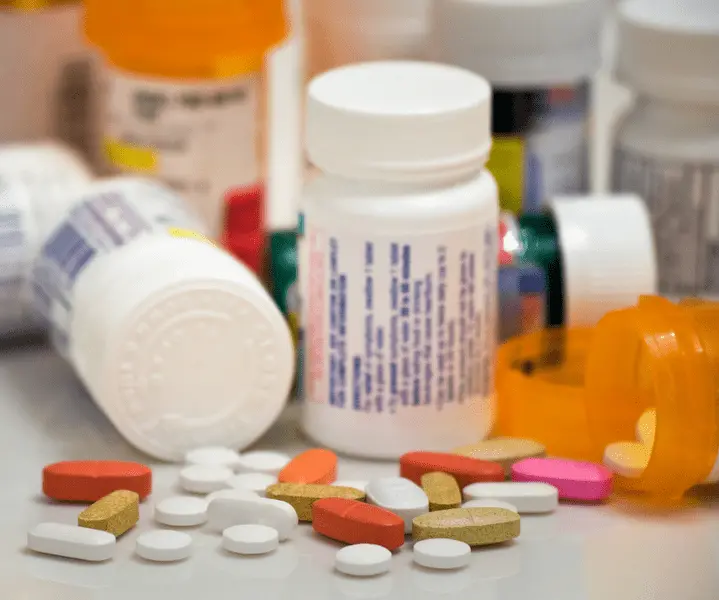
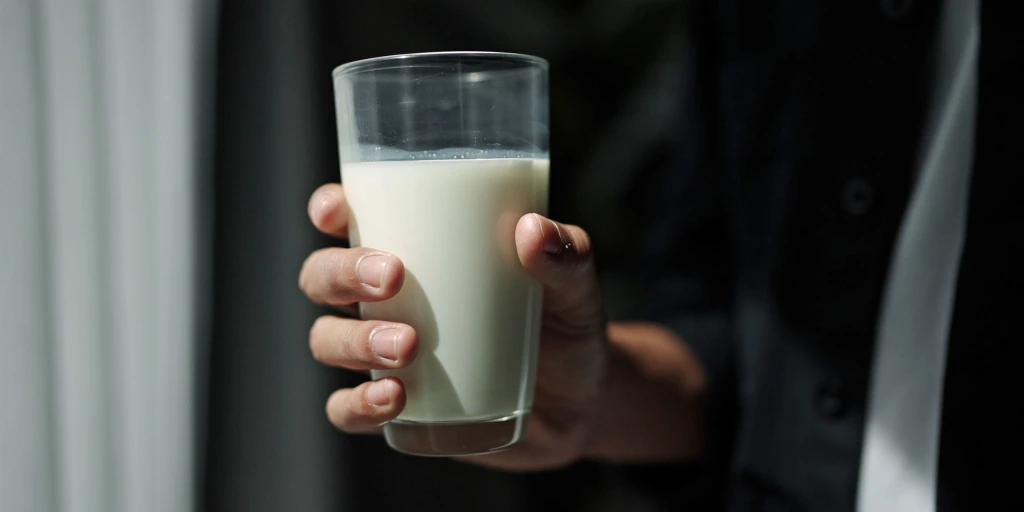

A newborn baby died from a listeria infection, which was most likely caused by the child's mother ingesting raw milk during pregnancy, according to health experts. State officials gave limited information about the newborn, citing privacy concerns. While authorities were unable to pinpoint the exact cause of the baby's death, "the most likely source of infection was unpasteurized milk." According to an official, this decision was reached based on facts acquired throughout the investigation, such as the timing of the infection and claims that the mother drank raw milk during pregnancy.
New Mexico health officials are warning against eating raw dairy products after a newborn infant died of a listeria infection, which they believe was caused by the baby's mother drinking raw milk while pregnant. According to a news release from the New Mexico Department of Health, the mother may have contracted listeria after drinking unpasteurized milk throughout her pregnancy.
According to a release, "the tragic death underscores the serious risks raw dairy poses to pregnant women, young children, elderly New Mexicans, and anyone with a weakened immune system." However, officials refused to identify the exact source of the listeria that killed the youngster.
Why This News Matters:
This is a sad reminder that what you eat while pregnant can mean the difference between life and death. According to health officials in the New Mexico Department of Health, the newborn's deadly listeria infection was most likely caused by the mother drinking raw, unpasteurized milk, which has long been warned against for pregnant women. Listeria can cross the placenta and make babies very sick or kill them, even if the mother is healthy. As raw milk becomes more popular online and in health circles, this case shows why public health advice still strongly favors pasteurized milk.
Health Warnings from New Mexico Officials
Following the incident, New Mexico officials advised people not to consume unpasteurized dairy products. Following the death of a newborn due to a Listeria infection, New Mexico officials have issued a warning to people not to consume raw dairy products. According to the New Mexico Department of Health (NM Health), the infant's illness was most likely caused by the mother's consumption of unpasteurized, or "raw," milk during pregnancy. Pregnant women, small children, and the elderly are most vulnerable to serious Listeria infections.

"Individuals who are pregnant should only consume pasteurized milk products to help prevent illnesses and deaths in newborns," said Chad Smelser, MD, deputy state epidemiologist for New Mexico Health, in a press release. Dr. Chad Smelser, the New Mexico Department of Health's deputy state epidemiologist, emphasized in the news release that pregnant women should only drink pasteurized milk to "prevent illnesses and deaths in newborns." Pasteurization involves heating raw milk to remove microorganisms.
Risks of Raw Milk and Listeria Infection
Raw milk can contain a variety of disease-causing bacteria, including listeria. That is a type of bacteria that can cause miscarriage, stillbirth, preterm birth, or deadly illnesses in babies, even if the mother is not seriously unwell.
Unpasteurized milk may include a range of harmful bacteria, including Listeria. According to the health department, bacteria in unpasteurized milk can cause serious infections and death in persons with low immune systems, as well as miscarriage, stillbirth, premature birth, or a fatal infection in neonates. Raw milk is defined as milk that has not been pasteurized or cooked to a high enough temperature to kill microorganisms.
According to a health department release, raw milk consumption may expose people to brucella, salmonella, campylobacter, cryptosporidium, E. coli, avian flu, and tuberculosis.
"New Mexico's dairy producers work hard to provide safe, wholesome products, and pasteurization is an important step in that process," said Jeff M. Witte, New Mexico's secretary of agriculture. "Consumers, particularly those at higher risk, are encouraged to choose pasteurized dairy products to reduce the risk of serious foodborne illness." Interest in and sales of raw milk have increased in recent years, thanks to social media and growing backing from Health Secretary Robert F. Kennedy Jr.'s Make America Healthy Again campaign.
Raw Milk Popularity and Federal Policy Context
Health and Human Services Secretary Robert F. Kennedy Jr. has frequently promoted raw milk for its alleged health benefits, despite warnings from food safety experts and the Centers for Disease Control and Prevention (CDC). Raw milk sales across state lines have been illegal since 1987, and federal health experts have long warned against drinking raw milk owing to health risks. However, raw milk's appeal has recently surged. Before joining the second Trump administration, Health Secretary Robert F. Kennedy Jr. stated his support for unpasteurized dairy.
Despite efforts by proponents of raw milk to change federal policy, Kennedy has mostly neglected the issue since becoming health secretary. The Trump administration's new initiative to promote whole milk consumption makes no mention of raw milk. However, the action, along with other developments in Washington, have galvanized some raw milk advocates.
On January 7, the Department of Agriculture released its new Dietary Guidelines for Americans, which placed a carton of whole milk on the top of a revamped, inverted food pyramid and recommended whole dairy above low-fat alternatives. Then, after more than a decade of being limited to low-fat milk, President Trump signed legislation allowing schools to serve whole milk.
Kennedy directed the administration's "Make America Healthy Again" report in September, which contained measures to reduce barriers for small-scale dairy farmers who sell their own milk, as well as new health requirements. Nestle described it as a "big win" for companies that offered whole or raw milk products at the time.
Other Foodborne Illness Developments
In other foodborne illness news, Kyle Diamantas, deputy commissioner for human foods at the Food and Drug Administration (FDA), said in an interview with Bloomberg yesterday that the agency will test ingredients such as milk powder and whey protein concentrate, as well as infant formula, to see if there is any contamination that could cause botulism.
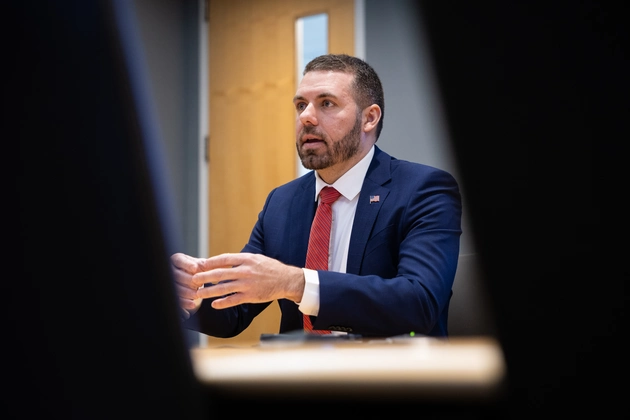
This judgment follows the ByHeart infant formula epidemic, which has infected at least 51 infants, all of whom have been hospitalized. Diamantas stated that the testing will assist evaluate whether botulism-causing contamination is "a foreseeable hazard that companies could test for." There were no deaths reported during the ByHeart incident, but newborns who consumed spores through the formula had trouble feeding, lethargy, and lack of head control. According to the CDC, no new cases have been reported in the outbreak since December of last year.